
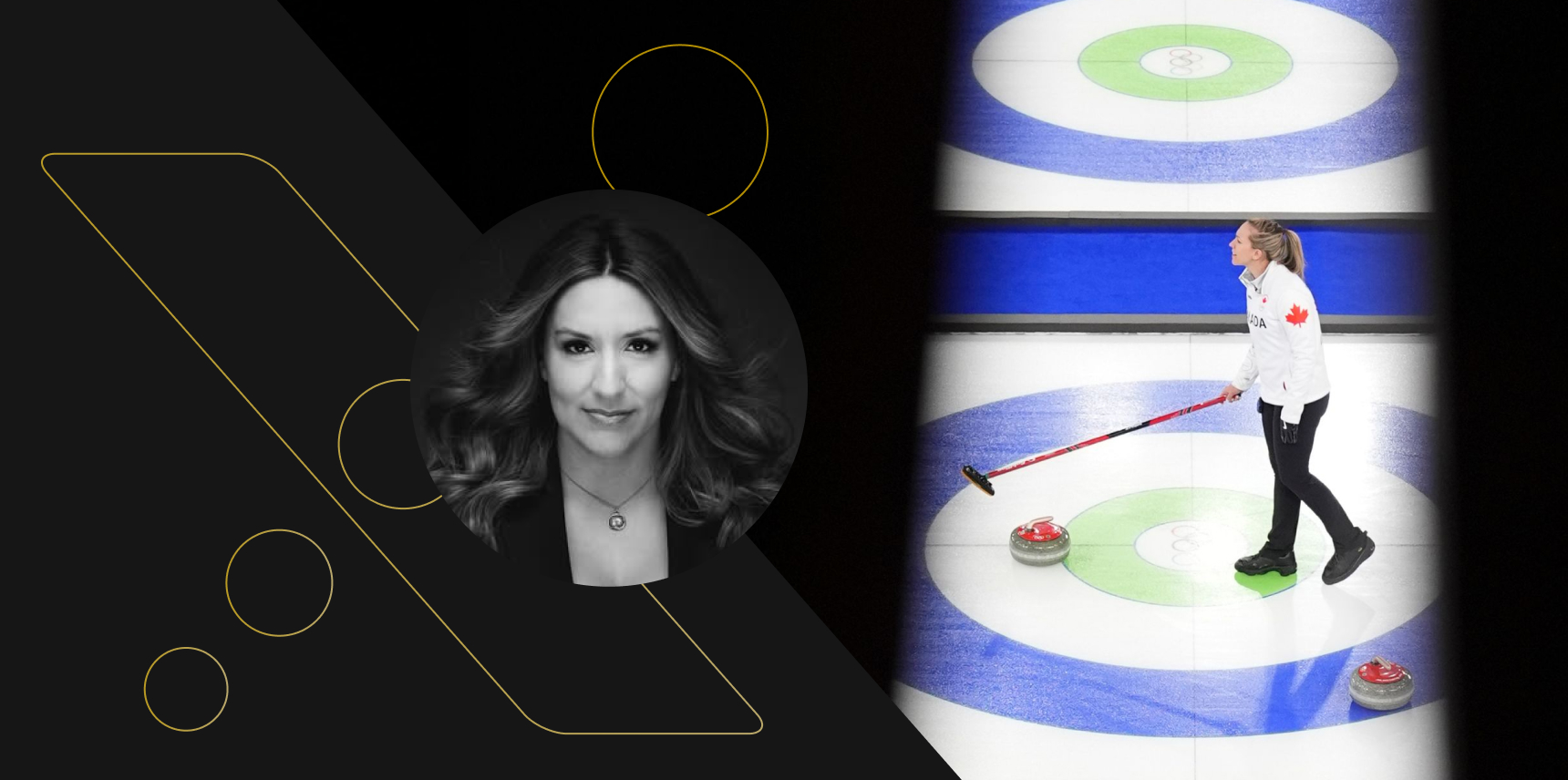


Elite sports photographer Candice Ward is a firm believer that you can’t control what happens in front of your lens, but you can control everything behind it. After all, timing is everything, and in the world of professional sports, you need to be ready for when the moment comes.
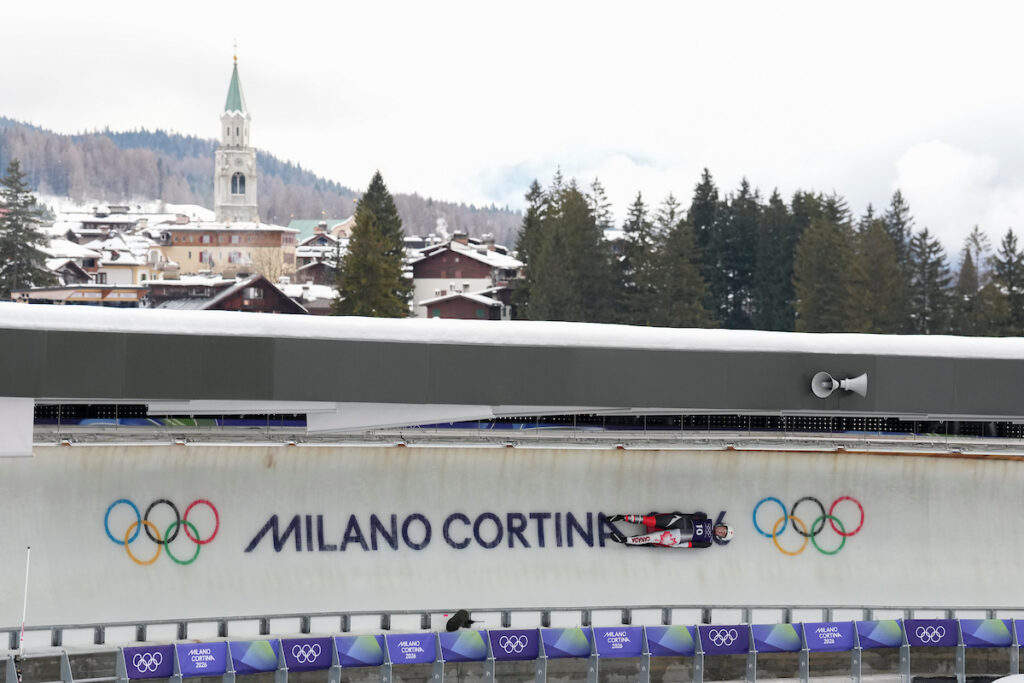
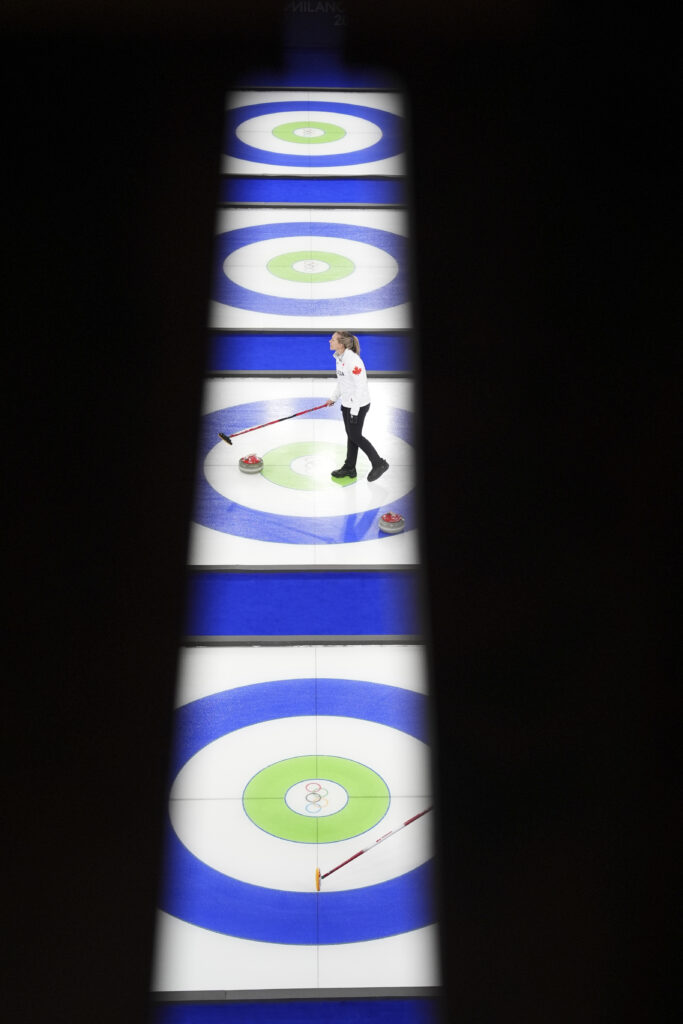
When on assignment at the Milano Cortina Winter Olympics, Ward’s job is a high stakes blend of artistic intuition and rigorous systems engineering. To Ward, her job is a highly choreographed sequence of tagging, transmitting, editing, and pushing. It’s a workflow designed to ensure that those once-in-a-lifetime moments are captured, polished, and delivered to the world.
Ward’s workflow comes down to five key steps: Pre-event preparation, tag and select, remote edit, client delivery, and backup. Let’s find out how her professional workflow comes together.
Pre-Event Preparation: The Behind the Lens Difference

Equipment Readiness
The night before an event, Ward ensures all batteries are fully charged, formatted memory cards are placed in each camera body, and extra batteries are carried in a pocket.
💡 Pro-tip: Not all cameras are made the same, and in our complete guide, you’ll discover the difference between UHS-II and CFexpress memory cards to find the right storage for your gear.
Camera Settings
Ward reviews all camera settings (autofocus, card sizes) to confirm everything is correctly configured for the event she’s covering.
Know the Game
Understanding the nuances of the sport is a game-changer for Ward. Knowing celebration patterns, or where an athlete’s family is seated, can help her be in the right position to capture the shot of the year.
Tag and Select: The Art of In-Camera Curation
At a major event like the Olympics or an NHL playoff game, Ward might fire off 3,000 to 6,000 frames. In the fast-paced world of wire services or national sport organizations, dumping thousands of files onto a computer at the end of the night is a recipe for failure.
Fortunately, there are a few processes in place to keep Ward’s workflow moving.
The Lock Mechanism
Ward utilizes in-camera tagging during all of her shoots. Most professional-grade DSLRs and mirrorless cameras feature a “protect” or a “rate” button. As Ward shoots, she is constantly reviewing her work to perform two actions:
- Selective Metadata: By hitting the “lock” button on these specific frames, she embeds a piece of metadata into the file.
- Real-Time Assessment: She identifies the “money shots” that capture a peak action, a tearful embrace, or a perfectly framed celebration.
Why Tagging Matters
Tagging is about improving bandwidth. By tagging only the best one-to-five percent of her shots, Ward ensures that her transmission software knows exactly which files to prioritize. In a scenario where every second counts, sending 10 tagged “hero” shots over a congested network is infinitely more effective than trying to upload an entire memory card of 500 unedited files.
Direct Transmit: The Digital Lifeline
The direct transmit phase is where Ward’s workflow separates the amateurs from the elite. In the high-pressure environment of the Olympic Games or a major tournament in Las Vegas, the “post-game upload” is a relic of the past.
Whenever possible, Ward is physically tethered. At major venues, photographers are often provided with a dedicated ethernet line at their shooting position. With a physical connection, you get two perks:
- The FTP Pipeline: Ward’s camera is configured to automatically send every “tagged” image via file transfer protocol (FTP) the moment the shutter closes.
- Zero Latency: This means that while she is refocusing her lens for the next play, the previous “hero” shot is already traveling through the stadium’s fiber-optic network.
The Portable Data Transmitter
In sports photography, mobility is key. When Ward is covering a high-profile event, she employs a portable data transmitter hub. Even without a physical cable, the goal remains the same: constant connectivity to ensure her images are reaching the cloud in real-time.
Remote Edit: The Collaborative Engine
Throughout any major event, Ward relies on a Remote Editor to be her digital partner to prepare her images for the public. To optimize efficiency during an event, Ward rarely edits her own high-priority images so she can keep an eye on the action.
The Editor’s Role
When on assignment Team Canada, Ward’s tagged images are sent directly to an off-site editor. This creates a streamlined process that divides labor and maximizes speed:
- Ingest: The editor receives the high-res JPEG files instantly.
- Photo Mechanic Toning: Using industry-standard software, the editor performs a quick crop for impact and tones the image for color accuracy.
- Metadata and Captioning: The editor adds a caption that includes the “Who, What, Where, When, and Why.” A caption provides the search terms that news desks and search engines are looking for.
- Final Publish: With images tagged, transmitted, and edited while a game is still in progress, the final publish by Wire services happens almost instantly. In the case of working for Team Canada, images are pushed directly to a gallery once they’re ready.

💡 Did you know? Some cameras come with USB-C ports and are capable of supporting up to 4TB of portable SSD storage. In our helpful guide, we’ll show you the best options
The Power of PhotoShelter
Once edited, the files are pushed to a centralized archive, such as PhotoShelter. This creates a “single source of truth” where stakeholders, like social media managers or corporate sponsors, can download the high-res assets they need.
When a Team Canada athlete wins a gold medal, the official instagram account often posts a professional, high-definition photo within three-to-five minutes of the win.
- Social Media Teams: Social media managers can access the “hero” shots from the PhotoShelter archive anytime for future use.
- National Sport Organizations (NSOs): NSOs use the final images for immediate press releases sent to global news outlets.
- Athlete Branding: The athletes themselves often have access to these PhotoShelter folders, allowing them to share high-quality content that builds their personal brands while an event is still trending.
This final stage closes the loop to deliver a high-quality, marketable product, which is the key to being hired by organizations like the Canadian Olympic Committee.
Candice Ward’s workflow is a masterful example of how to capture the action found every day in elite athletics. For organizations like Team Canada, Ward delivers a seamless, marketable legacy in real-time. By bridging the gap between talent and technology, she ensures the narrative of a victory is told while the world is still watching.