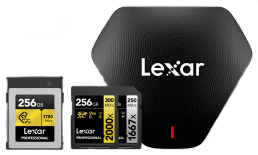



At Lexar, memory quality testing is a thorough process happening at every stage, from flash memory selection to the final product reaching your hands. The advertised speeds on packaging represent just one piece of the reliability puzzle. Behind those numbers lie hundreds of test cycles, thermal stress evaluations, and real-world usage simulations.
Some brands perform basic functionality checks, essentially confirming that a card can read and write data under ideal conditions. Others conduct more thorough evaluations. But testing that replicates real-world usage patterns, extreme conditions, and long-term reliability? That requires significant investment in testing infrastructure, time, and expertise.
The stakes are higher than many people realize. Consider these scenarios:
- A wedding photographer loses an entire ceremony because their memory card failed mid-shoot. No second chances, no do-overs.
- A videographer’s client presentation is corrupted when their SSD stops responding during transfer. The deadline passes, the opportunity disappears.
- A gamer’s saved progress across multiple titles vanishes when their storage drive develops bad sectors. Hundreds of hours gone.
- A content creator’s raw 4K footage becomes unreadable before they can back it up. Weeks of filming wasted.
These aren’t hypothetical situations. They happen regularly with storage products that passed basic quality checks but never underwent extensive testing. The difference between a product that works under perfect conditions and one that performs reliably across varied, demanding real-world use comes down to testing depth and thoroughness.
The Foundation: Flash Memory Selection and Validation
Quality testing begins with the flash memory itself — the core component that actually stores your data.
Not all flash memory is created equal. NAND flash chips come in different grades, densities, and tiers. Some manufacturers use whatever flash memory is available at the lowest cost. We take a different approach.
Lexar uses high-quality flash memory from trusted, proven suppliers—but that’s only the beginning. Before any component goes into production, every batch undergoes strict inspection and validation testing.
Our technicians verify endurance, error rates, performance consistency, and data retention to ensure the flash meets the demands of real-world use. From there, finished products go through extensive compatibility and reliability testing.
We simulate real conditions with vibration, temperature, electrical shock, impact, and strength tests to confirm durability and stability. This rigorous process ensures every Lexar product delivers dependable performance and meets the high standards our users expect.
This incoming validation catches potential issues before they reach production. If a flash memory batch shows concerning characteristics during testing, it doesn’t make it into Lexar products. Period.
Production Line Testing: Every Unit Gets Evaluated
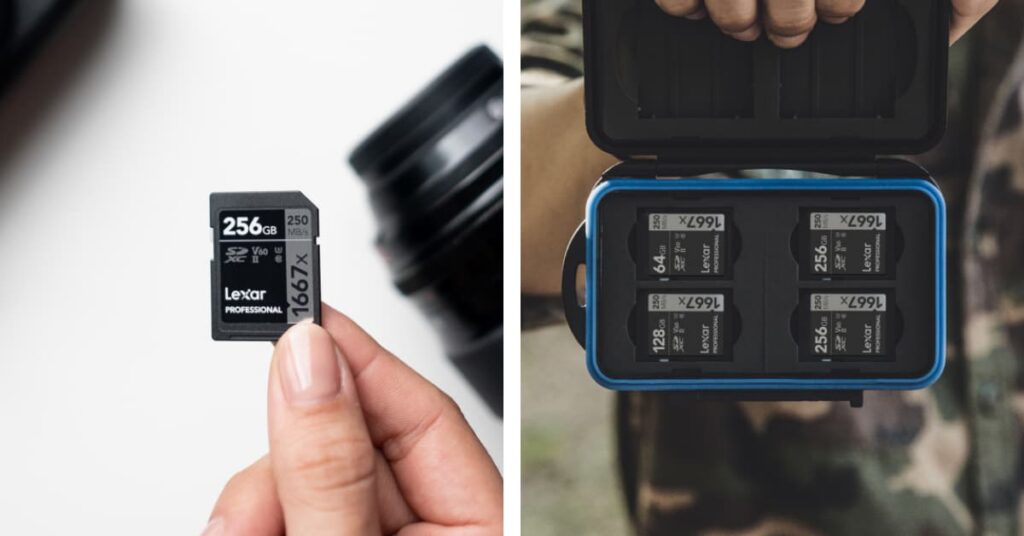
Once flash memory passes validation, it moves into production. Many manufacturers test only sample units from each batch. Lexar takes a different approach: Our Professional line products undergo detailed speed testing to verify each card meets stated speed specifications before packaging.
Manufacturing variations happen. Even with tight quality controls, individual units can differ. Temperature variations, component differences, or assembly variations affect individual units.
The production testing process evaluates multiple parameters:
Basic functionality verification. Can the drive be detected? Do all storage blocks respond correctly? This catches manufacturing defects before they reach customers.
Speed performance testing. Lexar products designed for professional performance meet strict industry speed standards such as VPG400 and V90, which are certified through rigorous testing defined by the SD Association (SDA) and CompactFlash Association (CFA). These standards require sustained write-speed validation under demanding conditions to ensure reliable performance for professional video capture and high-bandwidth workflows.
Command compatibility. Different devices use different command sets. We test that each unit responds correctly to commands from cameras, computers, game consoles, and other devices.
Power consumption verification. We measure power draw during operations to confirm each unit stays within specifications.
This extensive testing catches units that might have issues despite using quality components. Those units get recycled or reworked, never reaching customers.
Environmental Stress Testing: Preparing for Real-World Conditions
Laboratory testing under ideal conditions only tells part of the story. Memory cards and SSDs face harsh realities in actual use. Extreme temperatures. Humidity. Physical shock. Electromagnetic interference. Altitude changes.
This is where environmental stress testing comes in. Lexar deliberately subjects products to conditions that exceed normal operating parameters. The goal isn’t to make products fail — it’s to understand their limits and verify they can handle conditions users actually encounter.
Temperature extremes present one of the biggest challenges for storage reliability. Flash memory behaves differently at very low versus very high temperatures. The controller chips managing data flow have temperature-dependent characteristics. Even the physical materials expand and contract with temperature changes.
We test Lexar products across their entire specified temperature range, measuring performance and data integrity at various points. But we don’t stop at the specified range. Extended testing goes beyond rated temperatures to understand failure modes and safety margins.
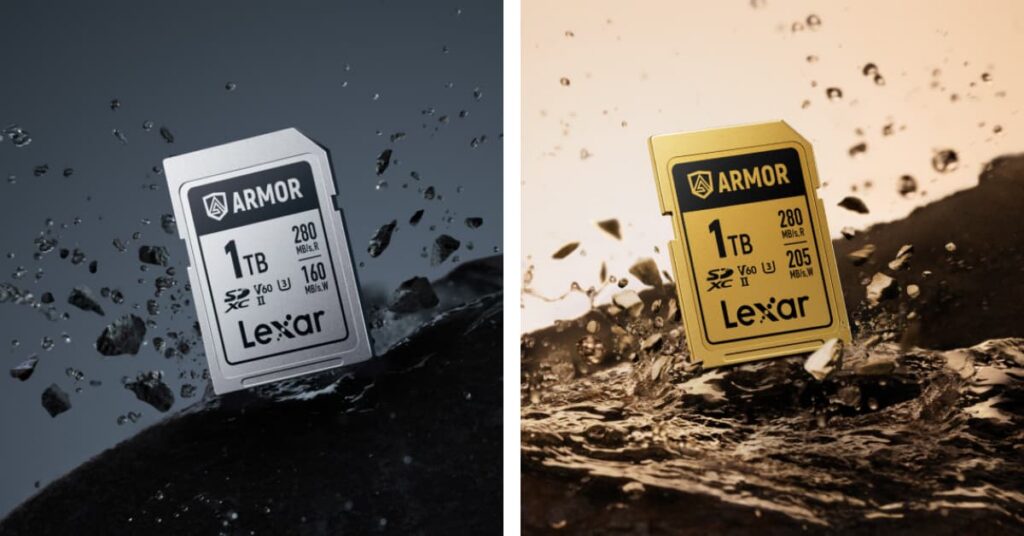
A Lexar® ARMOR GOLD SDXC™ UHS-II Card rated for -25°C to +85°C operating temperature is tested beyond its rated range to verify it doesn’t catastrophically fail outside specifications. This provides confidence that brief exposures to extreme temperatures won’t destroy your data.
Humidity testing matters more than many people realize. Moisture can cause corrosion, short circuits, and performance degradation. We subject products to high humidity conditions — sometimes in combination with temperature extremes — to verify that seals, coatings, and internal components resist moisture intrusion.
Physical shock and vibration testing simulates drops, impacts, and rough handling. Memory cards get dropped. SSDs get knocked around in bags. We use mechanical test equipment to apply controlled shocks and vibrations, measuring whether products continue functioning correctly afterward. This testing helps explain why Lexar products survive real-world accidents that would brick lesser storage devices.
Compatibility Testing Across Devices and Platforms
Here’s a frustration you might have experienced. You buy a high-speed memory card with impressive specifications, pop it into your camera, and discover the camera won’t recognize it. Or it recognizes it but performs slower than expected. Or it works fine initially but starts causing errors after a few shoots.
Storage compatibility is deceptively complex. Different manufacturers implement specifications differently. Cameras, computers, game consoles, smartphones, and other devices all handle storage communication in slightly different ways. A memory card might work perfectly in one camera model but exhibit issues in another model from the same brand.
Lexar maintains an extensive device compatibility testing program. Lexar Quality Labs put every product through rigorous testing to ensure dependable performance and long-term reliability. Our engineers validate compatibility across a wide range of devices and conduct demanding stress tests, such as temperature, vibration, impact, and electrical testing, to ensure each product meets the high standards our users expect.
We acquire devices from major manufacturers across categories—cameras from Canon, Nikon, Sony, Panasonic, and others; game consoles including PlayStation® 5, Xbox Series X|S, and Nintendo Switch™; smartphones; tablets; computers; card readers; and more.
Each new product undergoes testing with dozens of different devices. We’re not just checking if the device detects the storage. We’re verifying:
- Recognition and initialization speed – How quickly does the device detect and become ready to use the storage?
- File system compatibility – Does the device correctly read and write files using exFAT, NTFS, or other file systems?
- Performance consistency – Does the storage deliver expected speeds with this specific device?
- Error handling – If temporary issues occur, does the device and storage handle recovery gracefully?
- Long-term stability – After extended use with this device, do any issues emerge?
This extensive compatibility testing catches issues that wouldn’t appear in isolated lab testing. Sometimes we discover that a device has unusual timing requirements. Or a firmware quirk that affects certain operations. These discoveries inform product development and help us confirm new releases work reliably with both current devices and older equipment still in widespread use.
Endurance Testing: Simulating Years of Use
Flash memory has a finite lifespan. Each time data gets written to a cell, it experiences slight degradation. Write enough times, and eventually that cell wears out and can no longer reliably store data.
This characteristic makes endurance testing critical. We need to understand how products perform not just when new, but after months or years of heavy use. But we can’t wait months or years to complete testing. Instead, we use accelerated endurance testing that simulates extended real-world usage in compressed timeframes.
Here’s how this works in practice. We take production units and subject them to continuous write/erase cycles that represent typical usage patterns. A memory card used for 4K video recording experiences different write patterns than one used for still photography. An SSD used for video editing has different access patterns than one used for gaming. We replicate these specific usage patterns in accelerated form.
For memory cards designed for video recording, we write continuous large sequential files, simulating hours of recording. We do this repeatedly, monitoring performance degradation, error rates, and any failures that occur. This testing might involve writing hundreds of terabytes of data to a single 64GB card — far more than most users would write in years of normal use.
For SSDs, endurance testing gets even more intensive. We simulate operating system drives with their random small writes, application loads, and file operations. Or video editing workflows with their massive file transfers and sustained write operations. Some test units experience write loads equivalent to years of professional use compressed into weeks of continuous testing.
What are we measuring during endurance testing?
Performance degradation curves. Most flash storage gets slightly slower as it ages and fills with data. We track how performance changes over the product’s lifespan. Lexar products are designed to maintain acceptable performance even near the end of their rated endurance.
Error correction effectiveness. As flash memory ages, error rates increase. The error correction capabilities built into the controller compensate for this. We verify that error correction keeps pace with increasing errors, maintaining data integrity throughout the product’s life.
Wear leveling effectiveness. Flash controllers distribute writes across all cells to prevent any single area from wearing out prematurely. We validate that wear leveling algorithms work as designed, maximizing usable lifespan.
Failure modes and end-of-life behavior. Eventually, all storage reaches the end of its lifespan. What matters is how it fails. Does it fail catastrophically without warning? Or does it transition to read-only mode, allowing data recovery? Lexar products are designed for graceful degradation that prioritizes data protection.
The data from endurance testing informs our product ratings and warranties. When we rate a product for a certain number of write cycles or terabytes written, that rating comes from extensive testing, not theoretical calculations.
Real-World Usage Scenarios: Beyond Lab Conditions
Laboratory testing provides controlled conditions. But real-world use rarely matches lab conditions. That’s why we supplement controlled testing with real-world usage scenario testing.
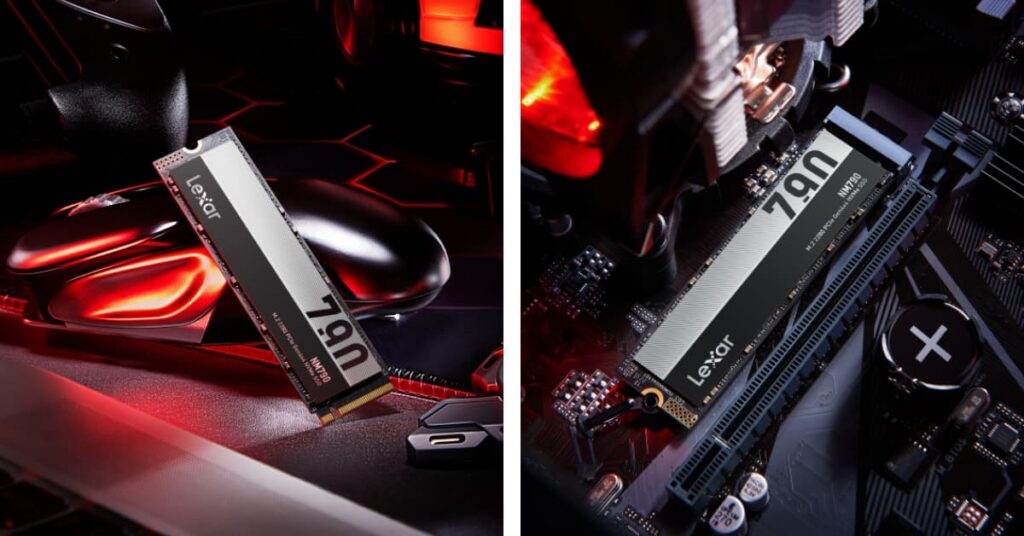
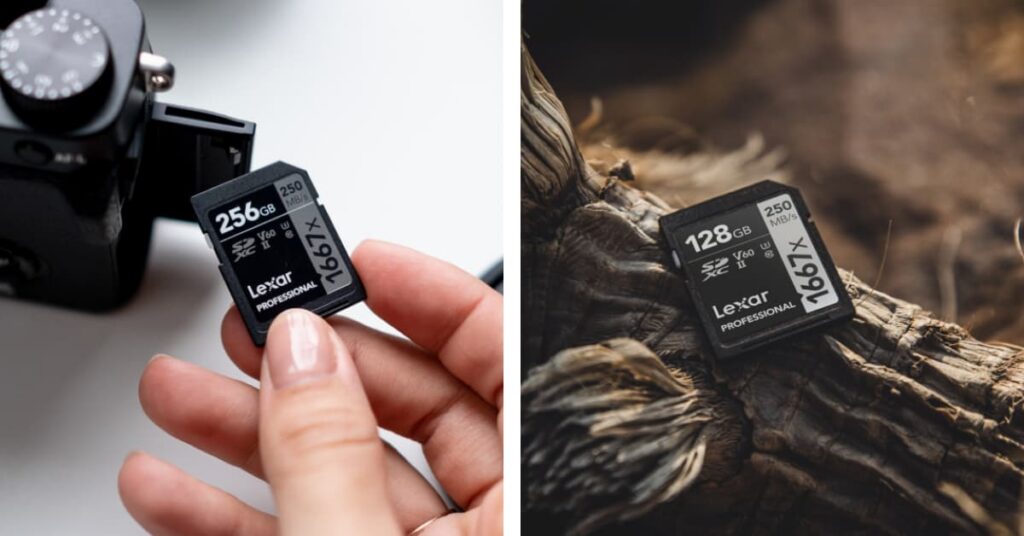
We partner with photographers, videographers, content creators, and other users who put storage through demanding conditions. A wedding photographer using Lexar® Professional SD™ cards throughout an entire season. A videographer recording 6K RAW footage on location. A game streamer running a Lexar® NM790 SSD to play a massive AAA title while recording streams.
These real-world tests uncover issues that might not appear in laboratory testing. Environmental factors combine unexpectedly. Usage patterns differ from theoretical models. This testing verifies Lexar products meet actual professional and enthusiast workflows, not just controlled scenarios.
Quality Control: Ongoing Monitoring and Improvement
Quality testing doesn’t end when products ship. Ongoing monitoring continues throughout a product’s lifecycle.
We track field performance data, warranty returns, and customer feedback. Patterns trigger investigations. If devices show compatibility issues with a specific product, we investigate. If usage conditions lead to unexpected behavior, we analyze and improve.
This continuous improvement process feeds back into testing protocols. New tests get developed based on real-world experiences. Future products benefit from lessons learned.
The result is an evolving framework staying current with changing technology and customer needs. Testing protocols for UHS-I SD cards differ from UHS-II cards, which differ from CFexpress® 4.0 cards. Each technology gets specialized testing appropriate to its requirements.
The Difference Quality Testing Makes
All this testing infrastructure, time, and expertise comes at a cost. It would be cheaper and faster to perform minimal testing and ship products based on basic functionality checks. So why invest in comprehensive quality testing?
Because reliability cannot be retrofitted. Once a product ships with inadequate testing, field failures are inevitable. Customers lose data. Trust erodes. The brand’s reputation suffers. The short-term savings from minimal testing become long-term costs in warranty claims, support overhead, and lost customer confidence.
Lexar memory quality testing represents a commitment to reliability that starts before production and continues throughout a product’s life. It’s the foundation that enables us to stand behind products with solid warranties and performance guarantees.
When you grab a Lexar® Professional GOLD CFexpress™ 4.0 Type B Card for your next shoot, you’re not just getting flash memory and a controller in a plastic shell. You’re getting a product that has been tested at every stage – from flash memory validation through production testing, environmental stress testing, compatibility verification, endurance testing, and real-world usage validation.
That’s what separates storage you can depend on from storage that might let you down when it matters most. The testing happened before the product reached your hands, so the reliability is there when you need it.
Whether you’re shooting a once-in-a-lifetime moment, editing client projects on tight deadlines, or building your game library, storage reliability matters. Behind every Lexar product’s dependable performance lies a comprehensive testing process designed to catch issues before they reach you. That’s the difference quality testing makes.