


VR is pushing creative boundaries with immersive storytelling and lifelike environments. However, this also comes with massive data demands. Every frame, every angle, and every perspective adds more weight to your workflow, and without the right gear, things fall apart fast. Thus, reliable, high-performance VR video storage solutions are the backbone of any professional virtual reality project.
In this guide, we’ll discuss what VR production demands from your storage and how to choose tools that won’t leave your footage hanging.
Key Takeaways:
- Key Factors to Consider for VR Video Storage Solutions: VR production requires storage that meets the demands of write speed, file size, and workflow integration.
- Real-World Applications for High-Performance VR Storage: 360° video, stereoscopic training, virtual tours, and interactive VR experiences all demand fast, stable storage that can handle continuous capture and high-resolution outputs without interruption.
- Technical Breakdown: What VR Demands from Storage: VR video storage must deliver sustained write speeds, thermal stability, and high-bandwidth throughput to support multi-lens recording at 6K and 8K resolutions without bottlenecks.
- Best Practices for Managing VR Video Storage: To protect your footage and workflow, use fast media from the start, offload frequently, organize files immediately, edit on SSDs, and keep your storage tools updated.
- Lexar Solutions for VR Video Storage: Lexar offers reliable, high-performance VR video storage solutions designed to support the capture, transfer, and post-production demands of professional VR creators.
Key Factors to Consider for VR Video Storage Solutions
Shooting immersive VR content is a technical workout. Between multi-camera rigs, ultra-high resolutions, and real-time stitching, the pressure on your storage setup increases with every frame. Choosing the right VR video storage solution means understanding how write speed, capacity, and workflow impact your setup.
Write Speed and Multi-Stream Capture
VR cameras often record multiple streams simultaneously, pushing write speeds far beyond what casual gear can handle. You must look for storage with verified minimum sustained write speeds that match or exceed your camera’s output, while avoiding media that advertises peak speeds with no reliability behind them. After all, your VR workflows rely on stability over time, not just short bursts of performance.
Capacity and File Sizes in VR
VR content uses storage faster than most formats. With multiple camera angles and higher bitrates, file sizes grow rapidly. This means that professionals must consider storage options starting at 512GB and scaling to multiple terabytes (TB), depending on the length and resolution of the shoot.
Workflow and Device Compatibility
Shooting is just one phase of the VR pipeline. Once captured, the data must move quickly through editing, review, and delivery; your storage must be compatible with your entire workflow. Using outdated or underpowered hardware creates bottlenecks that waste time and risk corruption.
Storage for VR must support modern interfaces like USB 3.2 Gen PCIe or Thunderbolt to keep up with massive file transfers and post-production demands.
Real-World Applications for High-Performance VR Storage
Having your storage fail is more than a minor inconvenience: it threatens the entire production.
The following real-world applications require VR video storage solutions that deliver fast, sustained performance and the capacity to handle massive workloads without interruption:
- 360° Video for Marketing and Events: Brands use immersive 360° video for product launches, live events, and interactive campaigns. These projects often involve long, continuous shots that require uninterrupted recording and fast turnaround for distribution.
- Stereoscopic VR for Training and Simulation: VR training for healthcare, aviation, and military relies on realistic, high-resolution video environments. Stereoscopic footage dramatically increases file sizes, demanding large-capacity cards and sustained speed for dual-stream capture.
- Virtual Tours and Real Estate Walkthroughs: VR walkthroughs for real estate and architecture require smooth, high-detail recording across multiple spaces. Any frame drop or stutter in capture makes the final product unusable for clients or viewers.
- Interactive Media and Game Development: Developers building immersive VR experiences rely on rapid prototyping and large asset libraries. Fast storage is required for capturing, editing, compiling, and loading massive project files during development.
Technical Breakdown: What VR Demands from Storage
VR video is a uniquely demanding format. Each frame often comes from multiple lenses recording simultaneously, pushing file sizes and bitrates far beyond traditional workflows. Most 360° and stereoscopic VR rigs shoot in 6K and 8K per stream, often at high frame rates to maintain realism and avoid motion sickness.
This results in data rates exceeding 400 Mbps per stream, meaning your storage must sustain high bandwidth without fail.
VR video storage solutions must offer fast write speed and consistent, uninterrupted performance during extended recording. Peak speeds are irrelevant if the card throttles or buffers after a few seconds.
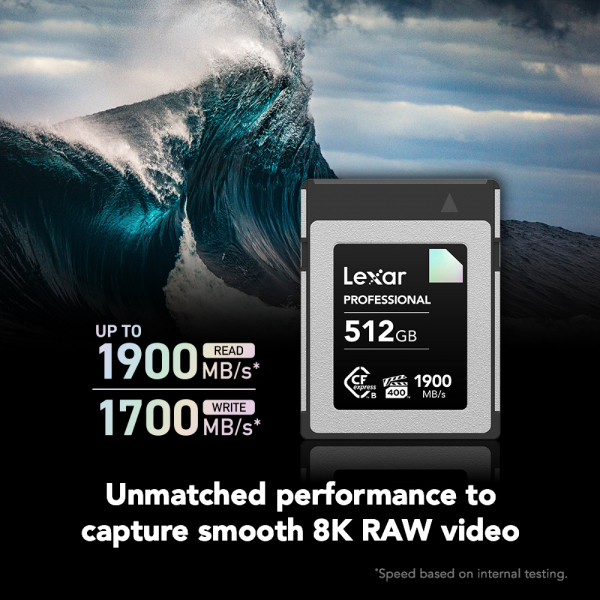
Sustained write speeds above 1000MB/s are often required for professional-grade footage, and interface standards like PCIe Gen3, USB 3.2 Gen 2, or Thunderbolt are critical for offloading those massive files without wasting hours.
Thermal performance plays a role: Many storage devices overheat under sustained load, impacting performance. Storage built for VR needs advanced thermal regulation to maintain speed during long capture sections.
Even the best camera gear can’t deliver a reliable VR experience without these technical foundations.
Best Practices for Managing VR Video Storage
Working with VR content means managing large volumes of data with very little room for error. Poor storage practices can lead to corrupted footage, dropped frames, and lost files; thankfully, these best practices will help you get the most out of your VR video storage solutions:
- Use high-speed, high-capacity media from the start: VR footage demands performance and space. To avoid production slowdowns, begin every project with storage that matches the resolution and bitrate of your setup.
- Offload footage frequently: Don’t wait until the end of the day. Regular offloads reduce the risk of card failure, overheating, or accidental data loss.
- Organize your files immediately: Label footage by angle, camera, and scene during transfer. This makes post-production easier and avoids confusion when dealing with multi-stream content.
- Edit on SSDs, archive on HDDs: Use fast SSDs for real-time editing and previewing. Once your project is complete, move files to larger-capacity hard drives for long-term storage.
- Keep firmware and software tools updated: Storage devices, readers, and even formatting utilities receive updates. Keeping everything current ensures compatibility across devices and avoids performance issues during transfer.
Lexar Solutions for VR Video Storage
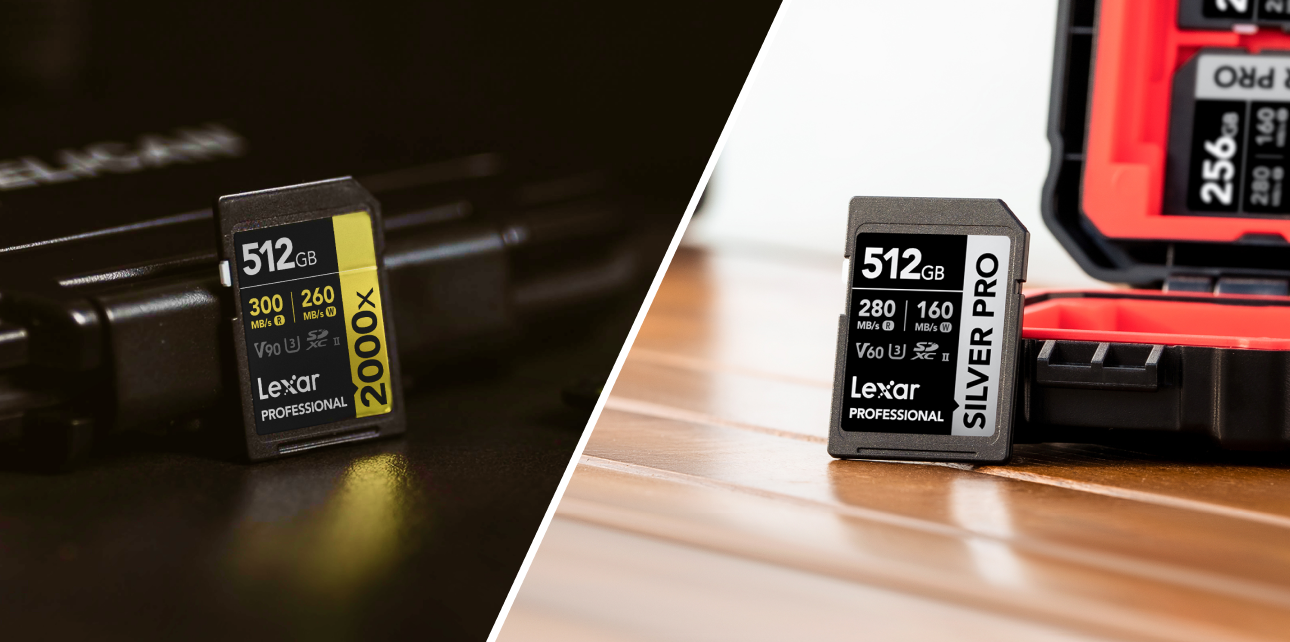
Lexar offers professional-grade storage solutions engineered for the extreme demands of VR and 360° video production. We craft all our products to handle high-resolution, multi-stream capture, fast offloading, and post-production workflows without slowing down or falling short.
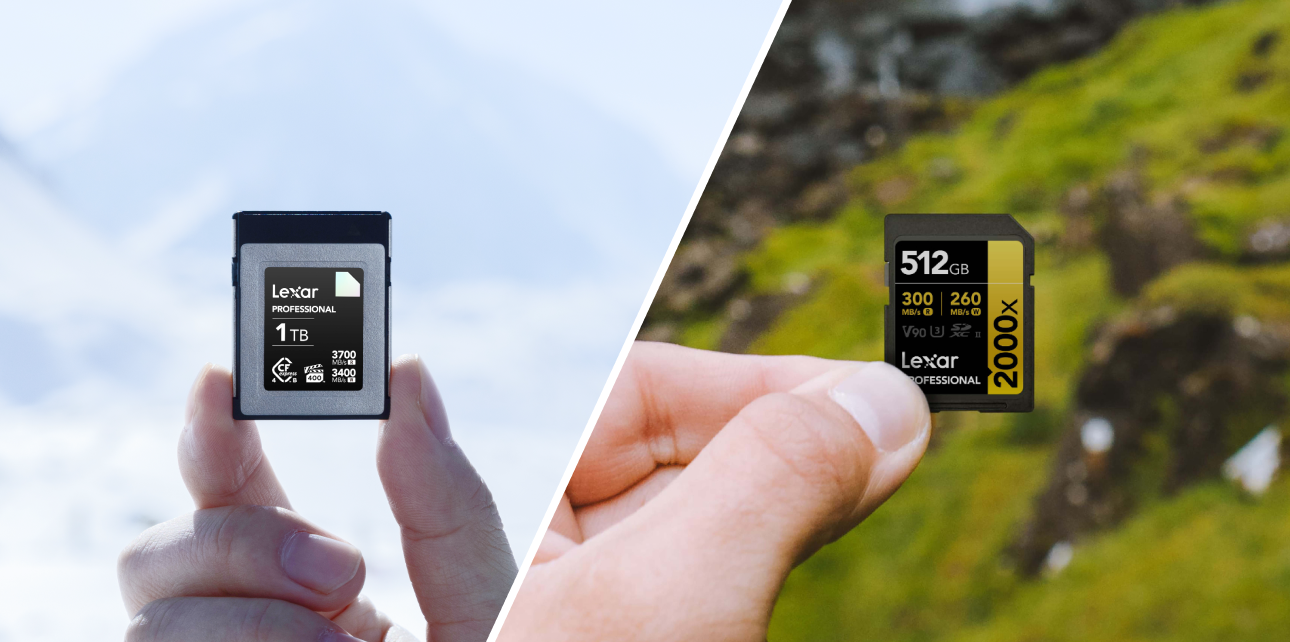
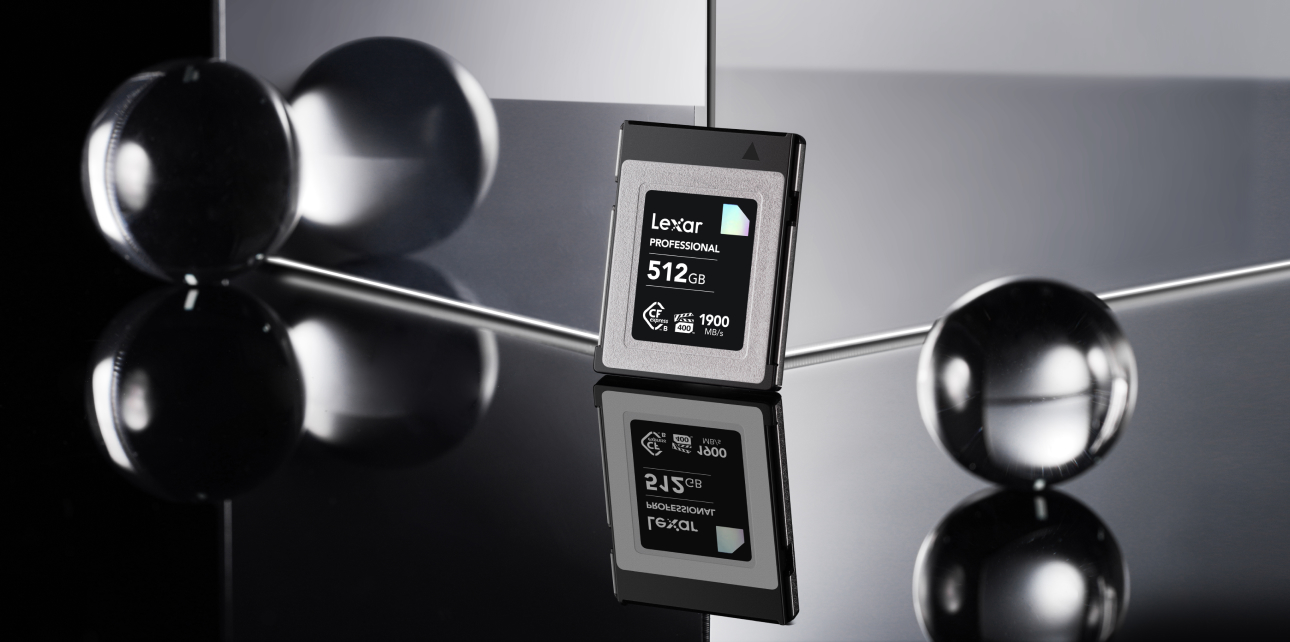
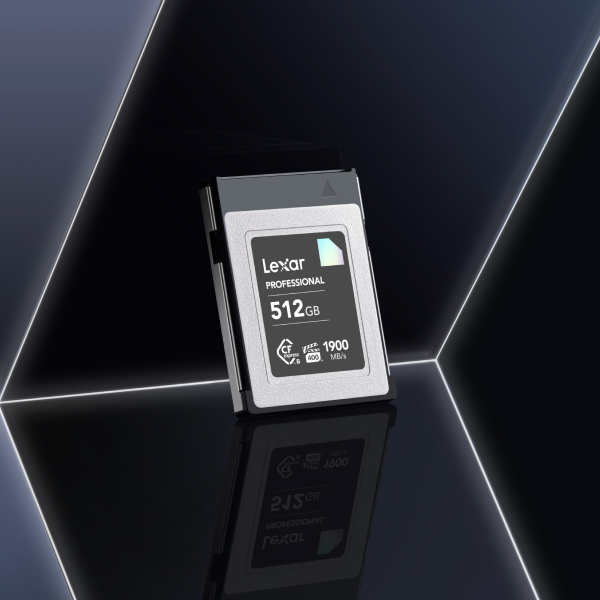
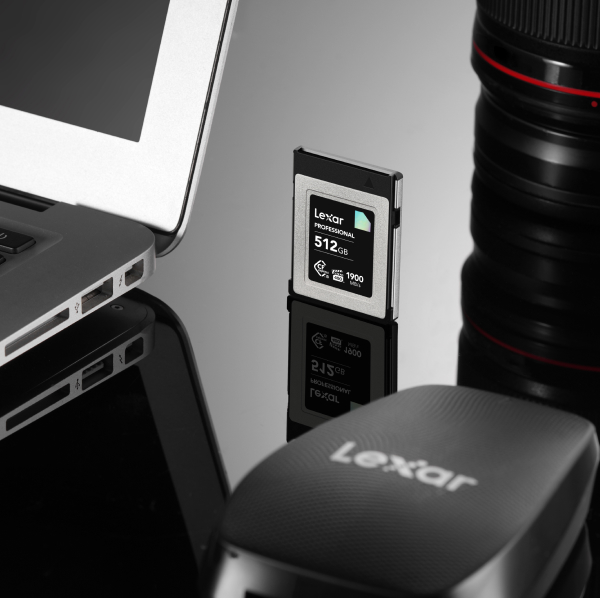
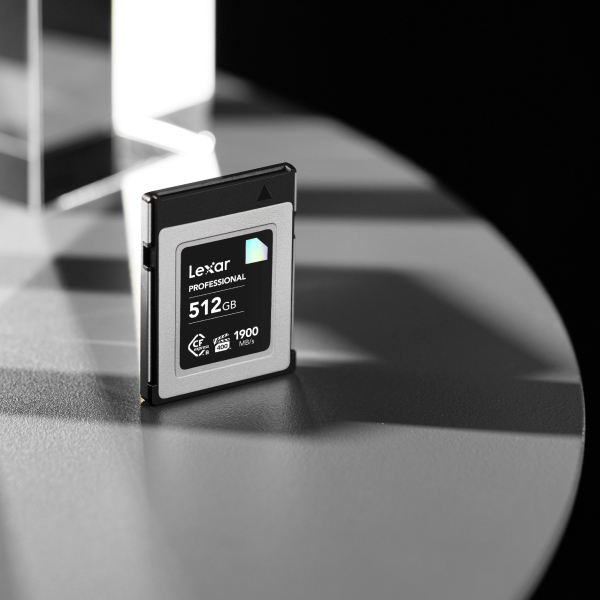
Lexar Professional CFexpress Type B Card DIAMOND Series offers exceptional sustained write speeds. This card is ideal for multi-camera VR rigs that capture high-bitrate footage in real time, and its thermal-resistant design ensures stability even during long recording sessions.
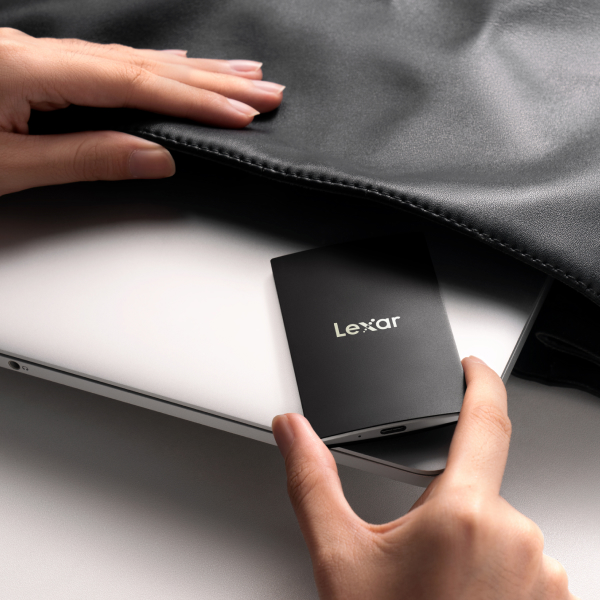
The Lexar SL500 Portable SSD offers up to 4TB of fast, portable storage for offloading large VR files on set. Its USB 3.2 Gen 2 interface guarantees quick transfers without bottlenecks.
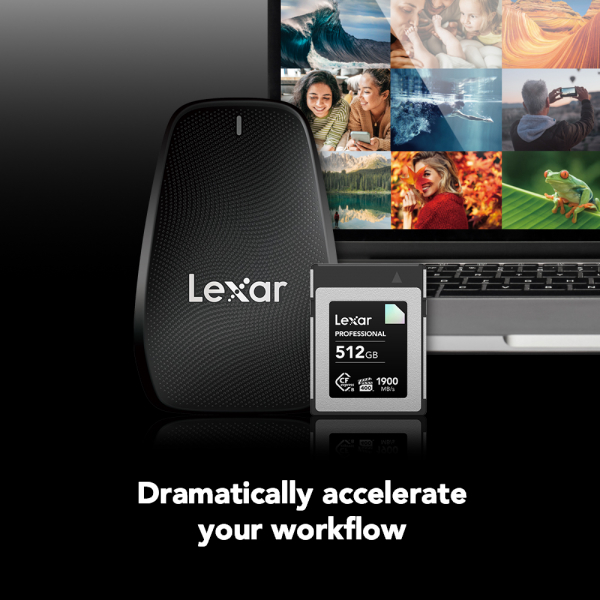
Finally, Lexar Professional Workflow Readers and Hubs help streamline the transfer of massive files from multiple cards. This allows editors and DITs to keep projects moving during post.
All Lexar products are tested in extreme conditions to ensure they’re built to meet the performance needs of today’s most demanding creators. For professionals seeking reliable, scalable VR video storage solutions, Lexar is proud to deliver the speed and stability you deserve.
Powering the Future of VR with Smarter Storage
AR production pushes every part of your workflow to the edge. Lexar is proud to provide the speed, durability, and capacity required to support modern VR and 360° content creation through our high-performing VR video storage solutions.
Now’s the time to explore Lexar’s complete line of professional storage solutions and equip your VR workflow for all of your future projects.