


A 2TB SSD is absolutely worth it if you’re a gamer managing 10+ AAA titles, a content creator working with 4K footage, or a professional juggling large datasets. With the price per gigabyte now more affordable than ever, a 2TB SSD delivers the optimal balance of capacity, performance, and value – giving you room to grow without overspending on storage you won’t use.
Here’s what makes a 2TB SSD a smart choice: you get enough space for extensive game libraries (each modern title can exceed 100GB), complete creative projects without constant file shuffling, and the blazing read/write speeds that SSDs are known for. For most users, it hits the sweet spot between a cramped 1TB drive and an expensive 4TB option.
This guide breaks down who benefits most from a 2TB SSD, what to look for when shopping, and how Lexar’s high-performance options stack up against your needs.
2TB SSD vs 1TB: Which Capacity Is Right for You?
Choosing between 1TB and 2TB comes down to how you actually use your system. A 1TB drive works if you’re selective about installed games or mainly store documents and photos. But here’s the reality – modern PC games average 50-150GB each, 4K video projects consume 100GB+ per hour of footage, and RAW photo libraries from a single shoot can hit 20-50GB.
With a 2TB SSD, you stop playing the deletion game. Install your top 15-20 games without picking favorites. Keep current and past projects accessible. Run your operating system, applications, and files from a single fast drive.
| Storage Capacity | Best For | What You Can Store | Price Point |
|---|---|---|---|
| 1TB SSD | Casual users, budget builds | 5-8 AAA games + OS + apps | Budget-friendly |
| 2TB SSD | Gamers, creators, professionals | 15-20 AAA games + projects + OS | Best value per GB |
| 4TB SSD | Power users, studios | Massive libraries + archives | Premium pricing |
The 2TB option typically offers better cost per gigabyte than 1TB drives while staying far more affordable than 4TB models. For most people building or upgrading a system in 2026, 2TB is the capacity that makes sense.
Why a 2TB SSD Outperforms Traditional Storage
SSDs changed everything about how computers feel. That difference becomes even more noticeable when you have 2TB of solid-state speed available.
- Ample Storage Capacity – 2TB handles large game installations, 4K video projects, RAW photo collections, and dual-purpose setups where your OS and work files share the same drive
- Dramatically Faster Performance – SATA SSDs start at 500MB/s while PCIe NVMe drives like the Lexar® NM790 hit 7400MB/s read speeds – that’s 10-15x faster than any HDD
- Silent, Reliable Operation – No moving parts means no noise, lower failure rates, and better resistance to physical shocks
- Lower Power Draw – SSDs consume 40% less power than comparable HDDs, extending laptop battery life and reducing system heat
- Compact Form Factor – M.2 drives fit directly on your motherboard while 2.5-inch SSDs work in any laptop or desktop
The jump from HDD to SSD feels like upgrading your entire computer. Boot times drop from minutes to seconds. Game levels load before you finish adjusting in your chair. Large file transfers that used to mean coffee breaks now finish in moments.
Who Actually Needs a 2TB SSD?
Not everyone requires 2TB of storage, but if you fall into these categories, it’s probably your ideal capacity:
Gamers – Modern gaming demands space. Call of Duty: Modern Warfare III needs 149GB. Baldur’s Gate 3 requires 150GB. Cyberpunk 2077 with updates and mods can exceed 100GB. With a 2TB drive, you maintain an active library of 15-20 titles without the constant uninstall-reinstall cycle.
Content Creators and Video Editors – If you shoot in 4K or higher, you know the storage struggle. A single hour of 4K footage at 60fps generates 100GB+ of data. Add project files, renders, and exports, and you need room to breathe. A 2TB SSD keeps current projects accessible while older work moves to archival storage.
Photographers Working in RAW – Professional photo workflows require speed and space. RAW files from modern cameras run 40-80MB each. A weekend shoot generates thousands of images. Working directly from an SSD speeds up imports, editing in Lightroom or Capture One, and exports.
System Builders and PC Enthusiasts – When building or upgrading a desktop, 2TB provides headroom. Install Windows, your full suite of creative or productivity apps, and still have 1.5TB+ for files and games. It’s the capacity that grows with you.
What to Look For When Shopping for a 2TB SSD
All 2TB SSDs aren’t created equal. Here’s what actually matters when you’re comparing options:
Interface Type – The Biggest Performance Factor
SATA SSDs top out around 550MB/s – still miles ahead of HDDs, but dated technology. PCIe NVMe drives start at 3000MB/s and go up to 7400MB/s with Gen 4 models. If your system has an M.2 slot, skip SATA entirely.
Read/Write Speeds – Real-World Impact
Marketing numbers matter, but here’s what you’ll actually notice: anything above 3000MB/s read feels instant for gaming and everyday use. Content creators benefit from higher write speeds (5000MB/s+) when saving large project files. The Lexar® NM800 Pro with Heatsink delivers 7500MB/s read and 6500MB/s write – fast enough for any workflow.
Form Factor and Compatibility
M.2 2280 drives work in most modern motherboards and laptops. Check your system specs before buying. External SSDs using USB 3.2 Gen 2×2 or Thunderbolt offer portability with speeds rivaling internal SATA drives.
Durability Features
For portable SSDs, look for water resistance (IP65+ rating), drop protection, and shock resistance. The Lexar® ARMOR 700 Portable SSD survives 3-meter drops and carries an IP66 rating – built for fieldwork and travel.
Warranty Coverage
A 5-year warranty signals manufacturer confidence. It covers you through the drive’s useful life. Anything less than 3 years is a red flag.
The Best Lexar 2TB SSDs for Different Use Cases
Lexar’s 2TB lineup covers every performance need. Here’s how they compare:
For Gamers and Performance Enthusiasts
Lexar® NM790 M.2 2280 PCIe Gen 4×4 NVMe SSD
- Interface: PCIe Gen 4×4 NVMe
- Speeds: Up to 7400MB/s read, 6500MB/s write
- Random Performance: 1000K IOPS read, 900K IOPS write
- Why It Works: Eliminates load screens in games, handles texture streaming in open-world titles, and stays 2x faster than Gen 3 drives at a fraction of the power draw
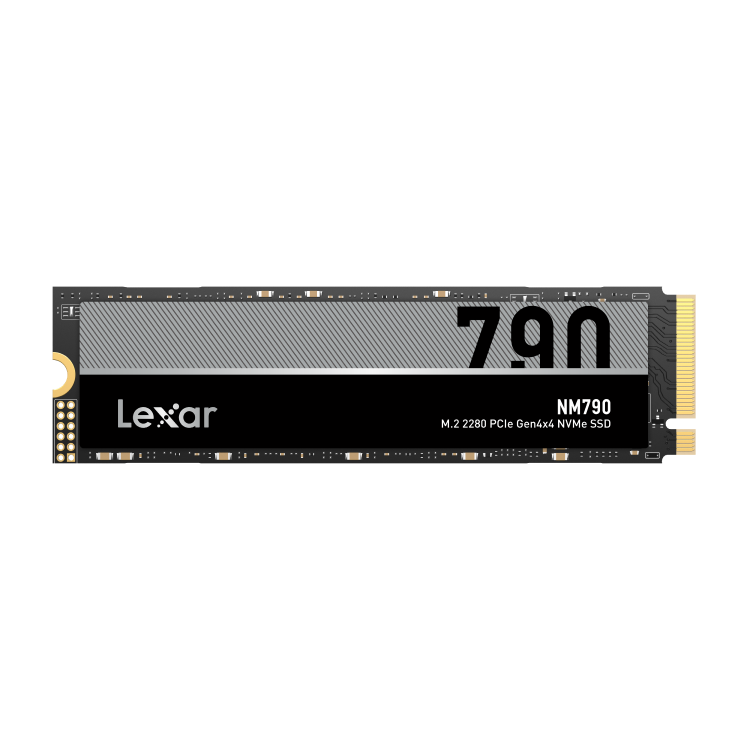
This drive delivers flagship performance without the flagship price. It’s the go-to option for gaming rigs and general high-performance builds.
For Professional Creators and Heavy Workloads
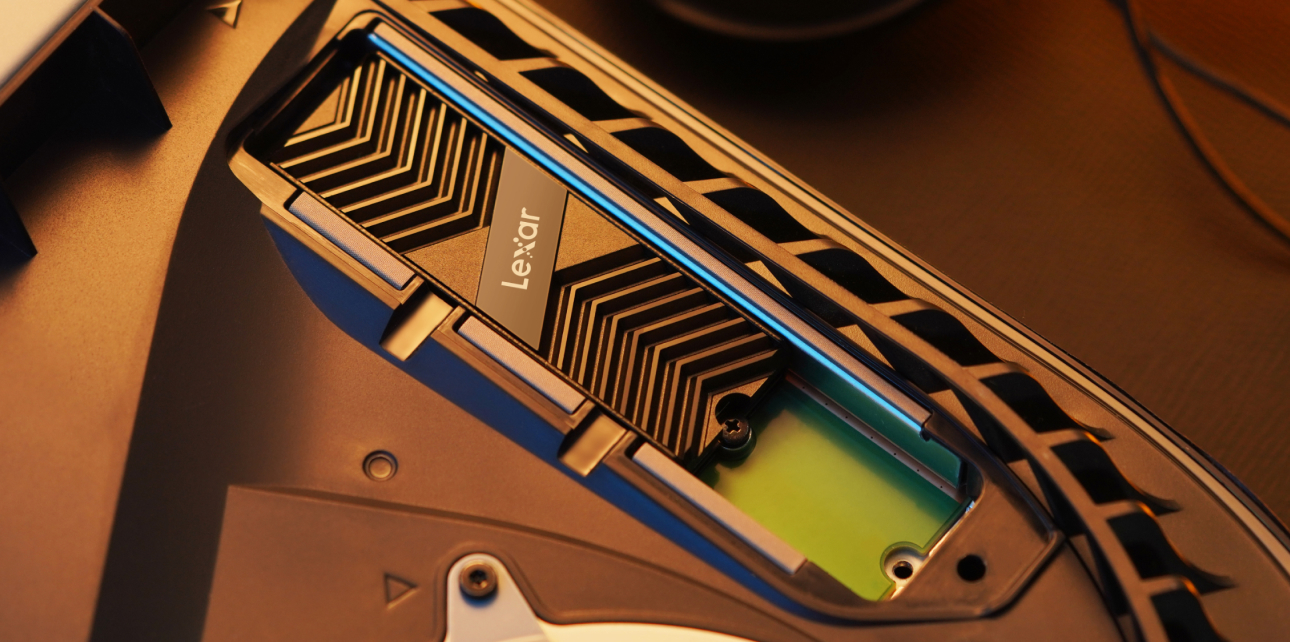
Lexar® Professional NM800 Pro with Heatsink M.2 2280 PCIe Gen 4×4 NVMe SSD
- Interface: PCIe Gen 4×4 NVMe
- Speeds: Up to 7500MB/s read, 6500MB/s write
- Thermal Management: Integrated heatsink
- Why It Works: The built-in heatsink prevents thermal throttling during sustained workloads – critical for 4K video rendering, large Photoshop files, and other professional applications that push drives hard
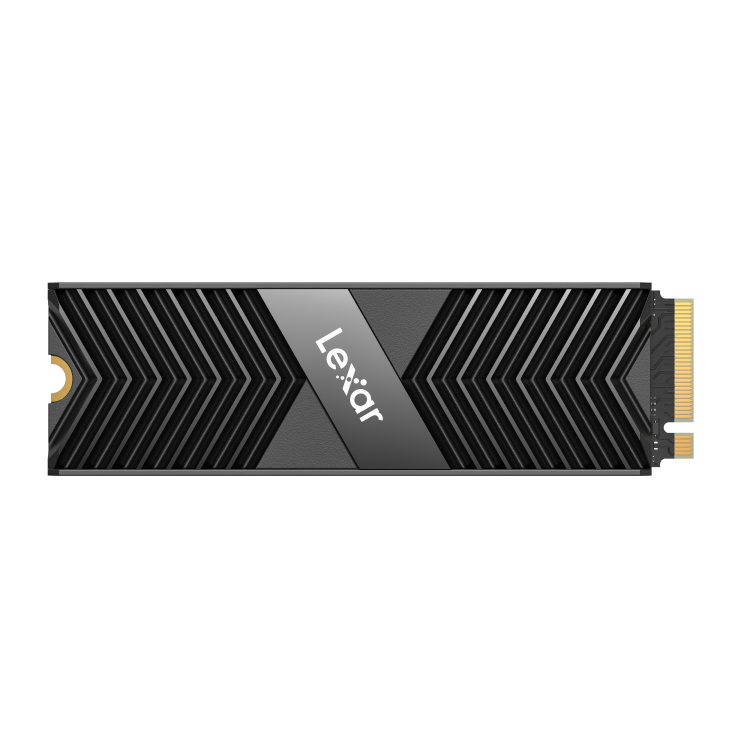
If your work involves hours of continuous read/write operations, the thermal management here makes a measurable difference in sustained performance.
For Mobile Creators and On-the-Go Storage
Lexar® Professional SL600 Portable SSD
- Interface: USB 3.2 Gen 2×2
- Speeds: Up to 2000MB/s read, 2000MB/s write
- Build: Compact aluminum design
- Why It Works: Fits in your pocket, shoots ProRes 4K 60fps directly from iPhone 15 Pro and above, works across Mac, PC, and mobile devices
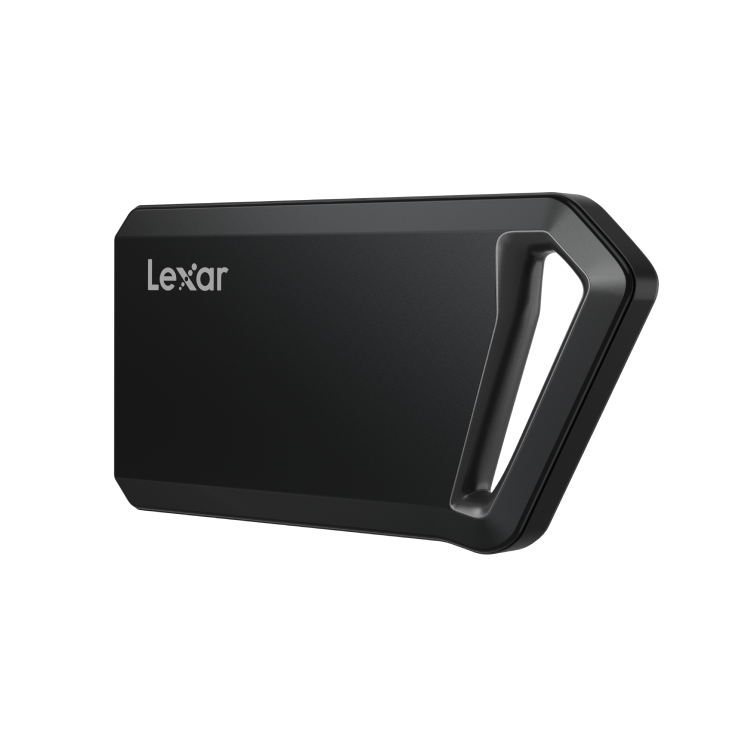
Content creators who shoot on location need storage that moves with them. This drive handles on-set backups and rough cuts without slowing down your workflow.
For Extreme Conditions and Outdoor Work
- Interface: USB 3.2 Gen 2×2
- Speeds: Up to 2000MB/s read, 2000MB/s write
- Protection: IP66 water/dust rating, 3-meter drop resistance
- Why It Works: Survives rain, dust, and impacts that would destroy standard drives – ideal for outdoor photography, construction site documentation, and field research
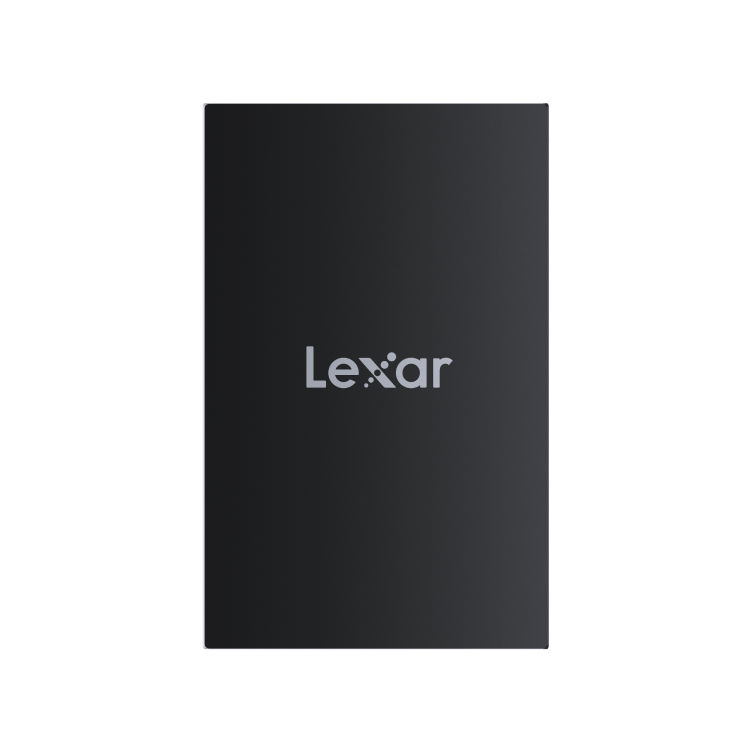
If your work takes you outside the office, this drive handles the environment without compromising performance.
For Professional Workflows and Multi-Device Use
Lexar® Professional Workflow Portable SSD
- Interface: USB 3.2 Gen 2×2
- Speeds: Up to 2000MB/s read, 2000MB/s write
- Design: Professional workflow hub compatibility
- Why It Works: Integrates with professional workflow systems, offering high-speed transfers and cross-device compatibility for photography and video production environments
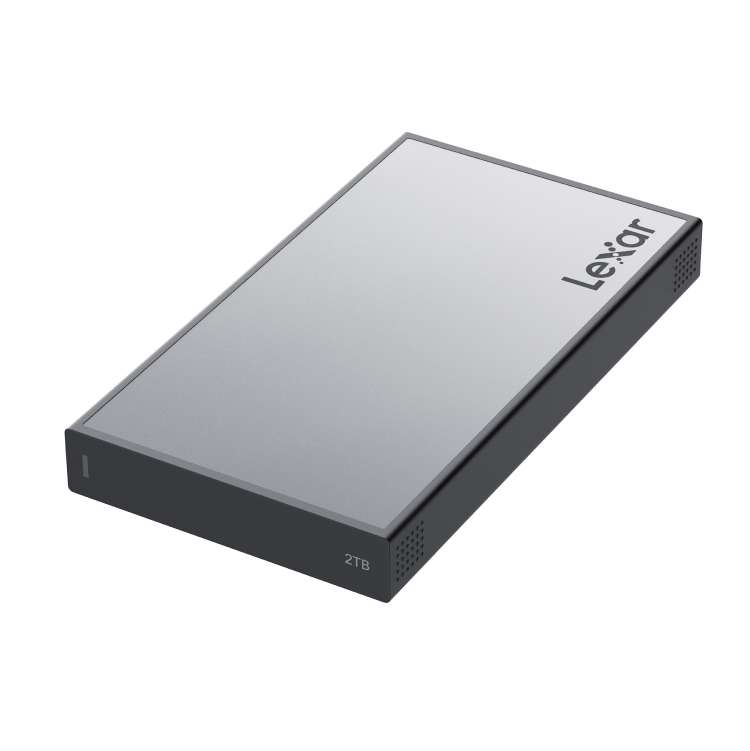
Studios and production teams benefit from the streamlined connectivity and speed this drive brings to multi-camera or multi-device setups.
How to Install Your 2TB SSD
Installing an SSD takes 10-15 minutes whether you’re adding internal or external storage.
Internal M.2 NVMe Installation
- Power down completely – Shut down your PC and unplug the power cable
- Locate your M.2 slot – Check your motherboard manual if you’re unsure. Most boards have 2-3 M.2 slots
- Remove the mounting screw – Small Phillips head at the end of the M.2 slot
- Insert the drive at a 30-degree angle – The notch on the drive aligns with the key in the slot
- Press down and secure – The drive clicks into place. Replace the mounting screw
- Boot and initialize – Windows will detect the drive. Format it through Disk Management
External Portable SSD Setup
- Connect to USB port – Use USB 3.2 or Thunderbolt for full speed
- Wait for system recognition – Should appear immediately on Mac or Windows
- Format if needed – exFAT works across all systems, NTFS for Windows, APFS for Mac
- Start using – Drag and drop files or install applications directly
How to Get Maximum Performance from Your 2TB SSD
SSDs need minimal maintenance, but these practices keep them running at peak speed:
Keep 10-20% Free Space
SSDs slow down when nearly full. The drive needs free space for wear leveling and performance optimization. On a 2TB drive, keep at least 200-400GB available.
Enable TRIM
TRIM tells your SSD which data blocks are no longer in use, allowing efficient cleanup. Windows 10/11 and macOS enable this automatically. Verify in Windows: open Command Prompt and type fsutil behavior query DisableDeleteNotify. If it returns “DisableDeleteNotify = 0”, TRIM is active.
Update Firmware Periodically
Manufacturers release firmware updates that improve performance and fix bugs. Check Lexar’s website quarterly or enable automatic notifications if available.
Monitor Drive Health
Tools like CrystalDiskInfo show your SSD’s condition, including total bytes written and remaining lifespan. Modern SSDs easily last 5-10 years under normal use, but monitoring helps you plan ahead.
Skip Defragmentation
Never defragment an SSD. It provides zero benefit (SSDs access data instantly regardless of file location) and wastes write cycles. Windows knows to skip SSDs during scheduled optimization.
Common Myths About 2TB SSDs
Let’s clear up the confusion around SSDs:
“SSDs wear out quickly”
Modern SSDs are rated for hundreds of terabytes written (TBW). The Lexar® NM790 2TB model supports 1200 TBW. Even if you write 50GB daily, that’s 65+ years of use. Consumer SSDs typically outlast the systems they’re installed in.
“Larger SSDs are slower”
Actually, the opposite. Higher-capacity SSDs often perform better because they have more NAND chips working in parallel. A 2TB drive typically matches or exceeds 1TB speeds while offering more space.
“You need to fill an SSD to test it”
Don’t “burn in” your SSD by filling it with data. Modern SSDs work at full performance from day one. This practice wastes write cycles with no benefit.
“External SSDs can’t match internal speeds”
With USB 3.2 Gen 2×2 or Thunderbolt 3/4, external SSDs hit 2000-3000MB/s – faster than internal SATA drives. The interface matters more than internal vs. external mounting.
2TB SSD for Gaming: What You Need to Know
Gaming pushes storage hard. Here’s what a 2TB SSD changes about your gaming experience:
Load Times Drop Dramatically
Open-world games load 3-5x faster. Fast travel becomes actually fast. Death screens last seconds instead of minutes. In competitive gaming, spawning faster gives you an edge.
Install Your Entire Library
With 2TB, maintain 15-20 full AAA games. No more choosing between titles. Rotate through your collection based on mood, not available space.
DirectStorage Support
Windows 11’s DirectStorage API lets games stream assets directly from NVMe drives to your GPU, bypassing the CPU. This reduces stutter in demanding titles and enables richer environments. You need an NVMe SSD to take advantage – the feature won’t work on SATA or HDDs.
Faster Updates and Downloads
Game updates install faster on SSDs. Unpacking and patching that takes 30+ minutes on an HDD finishes in 5-10 minutes on a fast NVMe drive.
Frequently Asked Questions
Is 2TB overkill for most users?
Not in 2026. If you game regularly or work with media files, 2TB is the practical minimum. File sizes keep growing – 2TB gives you room to grow without constantly managing storage.
How long does a 2TB SSD last?
Modern 2TB SSDs typically last 5-10 years under normal use. They’re rated for hundreds of terabytes written – far more than typical users will write in the drive’s lifetime. Your computer will likely become obsolete before the SSD fails.
Can I use a 2TB SSD as my only drive?
Absolutely. Many users run everything from a single 2TB SSD – operating system, applications, games, and files. If you need more than 2TB, consider adding a second drive for archival storage rather than replacing the SSD.
What’s the difference between SATA and NVMe for a 2TB SSD?
SATA maxes out at 550MB/s. NVMe starts at 3000MB/s and goes up to 7500MB/s. For new builds, skip SATA completely – NVMe costs about the same and performs 5-10x faster.
Do I need a heatsink for my 2TB M.2 SSD?
For general use and gaming, most SSDs don’t require additional cooling. For sustained heavy workloads like video rendering or large file transfers, a heatsink prevents thermal throttling. The Lexar® NM800 Pro includes an integrated heatsink for exactly this reason.
Will a 2TB SSD work with PS5?
Yes, but you need an M.2 NVMe drive with at least 5500MB/s read speed. The Lexar® NM790 with 7400MB/s read speed exceeds Sony’s requirements and works perfectly in the PS5’s expansion slot.
Should I get 1TB or 2TB for my laptop?
If you use your laptop as your primary computer, go with 2TB. Laptops typically have one storage slot, so you can’t easily add a second drive later. The extra capacity prevents frustration down the road.
Is a 2TB SSD enough for gaming?
Yes, a 2TB SSD is more than enough for most gamers. You can install 15-20 full AAA games (which average 80-150GB each) plus your operating system and applications. If you only play 3-5 games regularly and rotate through your library, 2TB provides plenty of headroom. Competitive players who maintain massive libraries of 30+ installed games might eventually need 4TB, but for the vast majority of gamers, 2TB eliminates the constant uninstall-reinstall cycle.
How many games can a 2TB SSD hold?
A 2TB SSD typically holds 15-20 modern AAA games. Smaller indie games (5-20GB) let you install 50-100+ titles. Here’s the breakdown: after allocating space for Windows (20-30GB) and applications (50-100GB), you have roughly 1.8TB available. With Call of Duty at 149GB, Baldur’s Gate 3 at 150GB, and Cyberpunk 2077 at 100GB, you’re looking at 10-12 large titles. Mix in medium-sized games (40-80GB) and you comfortably maintain a rotating library without storage anxiety.
What is a 2TB SSD?
A 2TB SSD is a solid-state drive with 2 terabytes (2,000 gigabytes) of storage capacity. Unlike traditional hard drives with spinning disks, SSDs use flash memory chips to store data, which makes them significantly faster, more durable, and quieter. A 2TB SSD can hold approximately 15-20 modern AAA games, 500,000+ photos, or 500+ hours of 4K video. They come in different form factors – M.2 drives that plug directly into your motherboard, 2.5-inch drives that fit in laptops and desktops, and external portable drives with USB connectivity.
Make the Move to 2TB SSD Storage
A 2TB SSD delivers the capacity, speed, and reliability that modern computing demands. Whether you’re building a gaming rig, upgrading a creative workstation, or just tired of juggling storage space, 2TB hits the mark.
Lexar’s lineup covers every use case – from the high-performance NM790 for gamers to the rugged ARMOR 700 for field work. Each drive goes through extensive testing in Lexar Quality Labs to verify performance and compatibility.
Ready to experience the difference? Browse Lexar’s full SSD lineup and find the 2TB option that fits your workflow.