


With nearly 30 years of experience, it is Lexar’s mission to provide the best performance, exceptional reliability, new innovations and outstanding customer service. This includes the performance of Lexar versus generic memory cards on the market.
As a legacy brand, our reputation is built on quality products, and we remain committed to upholding that high quality through rigorous product testing and ensuring product compatibility with key camera and gaming manufacturers.
Our innovation pushes what’s possible in performance, resulting in game-changing technology and top-of-the-line products that help define the future of our industry to provide our users the best technology available.
And by prioritizing quality and performance, we put the customer first by exceeding their needs, boosting their efficiency, and empowering their creativity no matter the job or passion project.

Quality Testing That Separates Lexar Versus Generic Memory Cards
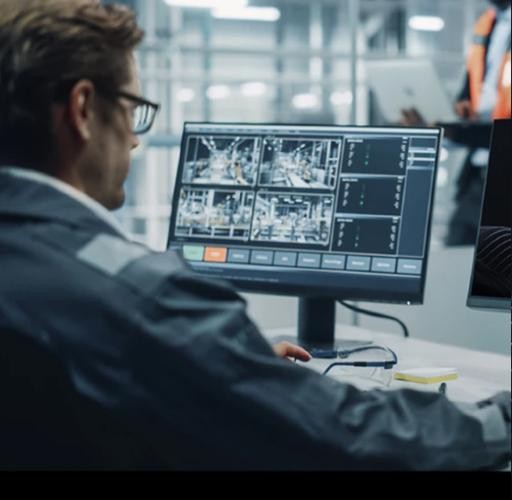
Manufacturing quality determines whether memory cards perform reliably or fail catastrophically. This is why all Lexar products undergo extensive testing in the Lexar Quality Labs—facilities equipped with thousands of different cameras and digital devices. This testing process validates performance, quality, compatibility, and reliability across diverse real-world scenarios.
Generic memory card manufacturers skip rigorous testing, rushing products to market with minimal quality control. These inferior components might work initially but degrade rapidly under normal use, leading to premature failure and data corruption.
Controller quality represents another critical difference. Memory card controllers manage data flow between the card and host device. Professional-grade controllers include advanced error correction algorithms, wear leveling technology, and power loss protection features. Generic memory cards use basic controllers lacking these protections, making them vulnerable to data corruption during writes, unexpected power loss, or normal wear patterns.
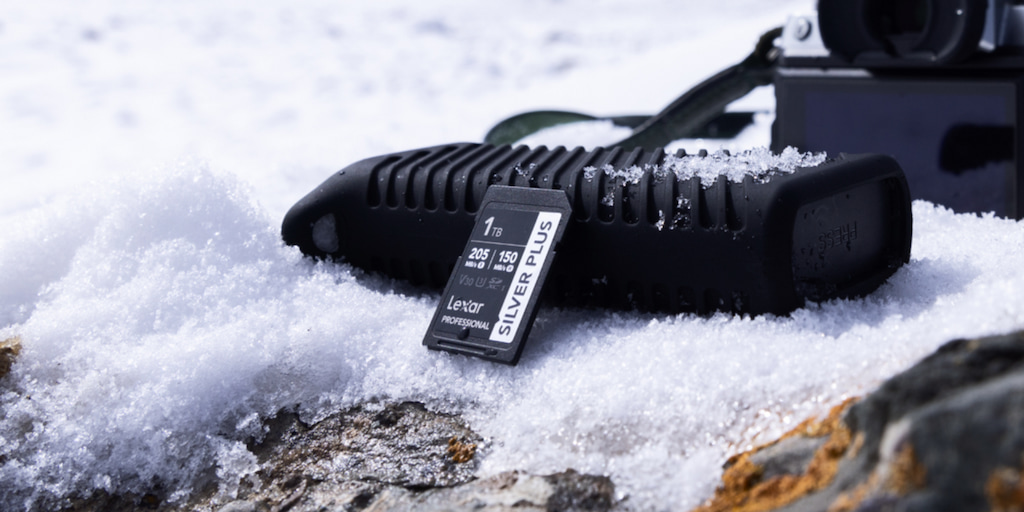
Environmental testing reveals stark quality differences. Professional cards withstand temperature extremes from -25°C to +85°C operation, water immersion (IPX7 rating), physical shock, vibration, and X-ray exposure. Generic memory cards often fail when exposed to conditions professionals regularly encounter – outdoor shoots in temperature extremes, accidental water exposure, or repeated security screening at airports.
Lexar Professional memory cards undergo testing specifically designed to validate performance under demanding professional workflows. This includes sustained write speed verification (confirming cards maintain rated speeds throughout extended operations), compatibility testing with hundreds of camera models, and long-term reliability validation through accelerated wear testing.


Understanding Real Performance
Speed ratings printed on memory cards tell only part of the performance story. Maximum speed ratings represent peak performance under ideal conditions – typically achieved only briefly during specific operations.
Video Speed Class ratings (V30, V60, V90) provide guaranteed minimum sustained write speeds. A V30 card must maintain at least 30 MB/s continuously, regardless of how long the operation continues. Generic cards frequently fail to meet their advertised speed class ratings, causing video recording failures and burst photography interruptions.
UHS (Ultra High Speed) interface ratings add another layer of confusion. UHS-I cards theoretically support up to 104MB/s, while UHS-II cards can reach 312MB/s. However, achieving these speeds requires quality components throughout the signal path. Generic memory cards claiming UHS-II support often use substandard components that prevent them from approaching theoretical maximums, delivering UHS-I speeds despite UHS-II labeling.
The True Cost of Card Failure
Generic card failures cost far more than the price difference between budget and professional cards. Understanding these hidden costs explains why professionals choose reliability over initial savings.
Lost client work represents the most devastating failure cost. Wedding photographers shooting once-in-a-lifetime moments cannot reshoot when cards fail. Event photographers miss critical shots that will never happen again. Corporate videographers lose presentation footage shot on location. These failures damage professional reputations, trigger contract disputes, and can affect client relationships built over years.
Reputation damage proves hardest to quantify but potentially most costly. One catastrophic card failure can destroy years of reputation building. Dissatisfied clients share bad experiences widely through reviews and referrals. Recovering from reputation damage takes far longer and costs far more than the few dollars saved buying generic cards.
Warranty and Support That Actually Protects You
Warranty terms reveal manufacturer confidence in their products. The differences between Lexar vs. generic memory card warranties expose quality gaps that matter when problems arise.
Lexar Professional memory cards include limited lifetime warranty coverage (10 years in regions not recognizing lifetime warranties). This warranty demonstrates manufacturer confidence that cards will perform reliably throughout their useful life. When issues occur, Lexar provides repair, replacement, or refund services through established support channels.
Generic cards typically offer minimal warranties that last 30 days to one year, if any warranty exists at all. Many generic sellers disappear after making sales, leaving buyers with no recourse when cards fail. Even when warranties exist, enforcing them proves difficult or impossible with fly-by-night sellers operating through marketplace platforms.
Support accessibility matters when problems arise. Lexar maintains dedicated technical support teams, compatibility databases, troubleshooting resources, and active communication channels. Professionals encountering issues can contact knowledgeable support staff who understand photographic workflows and provide meaningful assistance through our website’s chat support feature or via the support email.
Warranty claims processes differ dramatically. Lexar maintains established return merchandise authorization (RMA) procedures with clear instructions, reasonable processing times, and reliable fulfillment. Generic sellers make warranty claims difficult, and require extensive documentation, imposing arbitrary restrictions, or simply ignoring claim requests entirely.
Data recovery assistance represents another support advantage. While no manufacturer can guarantee data recovery from failed cards, Lexar provides resources and guidance for recovery attempts. Generic manufacturers offer nothing, leaving users to navigate expensive data recovery services alone.
Lexar also provides Lexar Recovery Software—tools for attempting file restoration from corrupted or accidentally formatted cards. This software provides an additional protection layer that generic buyers lack completely.

Compatibility Testing Across Thousands of Devices
Memory card compatibility isn’t guaranteed just because physical form factors match. Device-specific quirks, firmware interactions, and performance requirements create compatibility challenges that separate professional cards from generic alternatives.
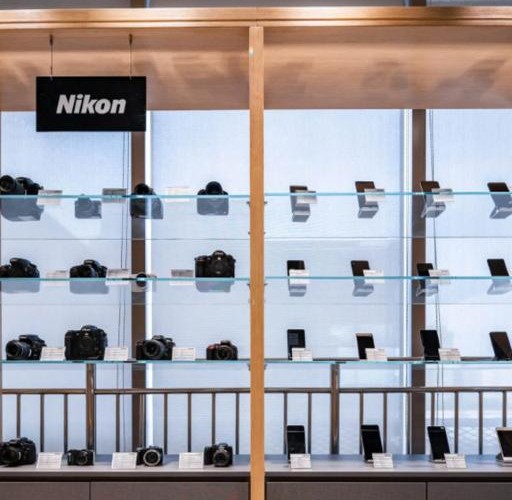
Lexar tests cards extensively across thousands of different cameras, video recorders, drones, and digital devices. This testing identifies and resolves compatibility issues before products reach customers. Lexar publishes compatibility lists showing which cards work optimally with specific camera models, helping professionals make informed purchasing decisions.
When it comes to Lexar vs generic memory cards, generic manufacturers perform no meaningful compatibility testing. They produce cards to meet basic specifications without validating performance with actual devices. This shortcuts results in incompatibilities that manifest as recording failures, corrupted files, or refused card recognition across various camera models.
Camera firmware updates occasionally expose card compatibility issues. Professional manufacturers monitor firmware releases and update product recommendations accordingly. Generic sellers provide no such guidance, leaving users to discover incompatibilities through expensive trial and error.


Durability Features for Professional Environments
Professional photography and videography occur in challenging environments. Memory cards must survive conditions that would quickly destroy consumer electronics. Durability differences between professional and generic cards determine whether storage survives real-world professional use.
Temperature resistance protects cards during outdoor shoots in extreme conditions. Professional cards function reliably from -25°C to +85°C, covering Arctic expeditions to desert photography. Generic cards often fail in temperature extremes, with data corruption or complete failure occurring when environmental temperatures exceed narrow operating ranges.
Water resistance (IPX7 rating) allows professional cards to survive accidental immersion. Outdoor photographers working in rain, near water, or in humid conditions face regular moisture exposure. Professional cards withstand 30 minutes of submersion in one meter of water. Generic cards lack proper sealing, allowing moisture intrusion that causes immediate or delayed failure.
Shock resistance protects against drops and impacts inevitable during active photography. Professional cards survive being dropped on hard surfaces multiple times without damage. Generic cards use inferior construction that makes them vulnerable to physical damage from routine handling incidents.
X-ray resistance proves essential for traveling photographers passing through airport security repeatedly. Professional cards undergo testing confirming they withstand typical airport X-ray machine exposure without data corruption. Generic cards lack this validation, creating risk for photographers carrying cards through security checkpoints.
Vibration resistance matters for cards used in drones, action cameras, or vehicles. Professional cards withstand vibration testing across frequency ranges encountered during these applications. Generic cards may develop connection problems or internal damage from vibration, leading to failures during use.
Physical construction quality affects long-term durability. Professional cards use higher-quality plastics and metals, precise manufacturing tolerances, and reliable connector gold plating. Generic cards cut costs through thinner plastics, looser manufacturing tolerances, and cheaper connector materials that wear or corrode quickly.
Professional Workflows That Demand Reliable Storage
Different photography and videography workflows create specific storage demands. Understanding these requirements reveals why professionals choose Lexar over generic alternatives.
Wedding and Event Photography
Wedding photographers face unique pressure – moments happen once and cannot be reshot. Card failure during ceremony coverage means losing irreplaceable memories. Professional wedding photographers use Lexar Professional cards exclusively, typically carrying multiple cards and shooting to dual card slots for redundancy.
Event coverage generates massive file volumes quickly. Full-day wedding coverage produces 1,000-3,000 RAW images. Cards must maintain consistent write speeds throughout extended shooting without performance degradation. Generic cards showing initial good performance often slow down as cards fill, causing frustrating buffer delays during critical moments.
Event photographers cannot troubleshoot card problems mid-shoot. When generic cards fail, photographers face impossible choices – continue shooting hoping cards hold up, or stop to address card issues while missing crucial moments. Professional cards eliminate this dilemma through proven reliability.
Sports and Wildlife Photography
Sports and wildlife photographers depend on burst photography to capture peak action. Cameras firing 10 to 20 frames per second generate data faster than slow cards can write, causing buffer fills that stop shooting when action continues.
These photographers also shoot in harsh conditions—extreme temperatures at outdoor sporting events, dust and moisture during wildlife stalks. Professional card durability becomes essential rather than optional.
Drone Photography and Videography
Drone operators face unique storage challenges. Cards must withstand vibration from motors and propellers while maintaining fast write speeds for 4K or 5.3K video recording. Generic cards sometimes fail from vibration stress or cannot sustain video bitrates required by high-end drones.
Drone crashes occasionally occur despite pilot skill. Water-resistant, shock-resistant professional cards provide better data survival chances when drones go down. Generic cards more often suffer complete failure in crash scenarios, compounding crash costs with total data loss.



How to Verify Authentic Lexar Products
Even Lexar cards face counterfeiting. Knowing how to verify authentic Lexar products protects against fraudulent cards sold through questionable channels.
Purchase from authorized retailers. Buying through established photography retailers (B&H Photo, Adorama, Lexar’s Amazon storefront) provides the strongest protection against counterfeits. Avoid deals that seem too good to be true from unknown sellers.
Check packaging quality. Authentic Lexar packaging shows consistent, high-quality printing with clear product information, proper logos, and intact seals. Counterfeit packaging often exhibits print quality issues, color inconsistencies, or missing information.
Examine the card itself. Lexar cards feature precise printing with consistent fonts, proper spacing, and clear text. Counterfeits show printing imperfections, color mismatches, or slightly wrong font choices when compared to authentic cards.
Test performance. New cards should undergo basic testing before critical use. Write large files to verify capacity claims, test write speeds using benchmarking software, and confirm cards maintain performance throughout transfers. Authentic Lexar cards deliver consistent performance matching specifications.
Making the Professional Choice
Professional photographers, videographers, and content creators depend on storage reliability as essential business infrastructure. Their livelihoods rest on equipment that performs flawlessly under pressure. Memory card failure at critical moments costs far more than any initial savings from generic cards.
Lexar’s 25+ year reputation in professional storage stems from consistent quality, rigorous testing, comprehensive warranties, and responsive support. Professionals trust Lexar because that trust has been earned through decades of reliable performance in demanding real-world conditions.
Generic cards might work sometimes. They might even work most of the time for casual users. But “sometimes” and “most of the time” create risk for professionals whose income and reputation depend on perfect storage reliability.
Frequently Asked Questions: Lexar vs Generic Memory Cards
What is the difference between Lexar vs generic memory cards?
The primary difference between Lexar vs generic memory cards is reliability, testing rigor, and long-term performance consistency. Lexar cards undergo extensive validation in Lexar Quality Labs using thousands of cameras and devices, while generic cards are often rushed to market with minimal quality control. This difference directly impacts data integrity, durability, and sustained performance during professional workflows.
Why do professionals choose Lexar over generic memory cards?
Professionals choose Lexar because lost data can mean missed weddings, corrupted client footage, or irreparable reputational damage. Lexar delivers consistent sustained write speeds, advanced error correction, wear-leveling technology, and power-loss protection—capabilities typically absent in generic cards.
Are generic memory cards really that unreliable?
Yes. Generic memory cards often fail under sustained workloads, environmental stress, or long-term use. While they may function initially, they frequently degrade over time due to inferior controllers, limited error correction, and poor component quality. These weaknesses increase the risk of corrupted files, dropped frames, and total card failure.
How does testing differ in Lexar vs generic memory cards?
Lexar tests memory cards across thousands of real-world devices, including cameras, drones, and video recorders. Testing includes sustained write verification, accelerated wear testing, temperature extremes, vibration, shock, water resistance, and X-ray exposure. Generic manufacturers typically skip these steps, validating only basic specifications rather than real-world performance.
Do Lexar cards actually deliver their advertised speeds?
Yes. Lexar verifies sustained write speeds, not just peak performance. Speed classes such as V30, V60, and V90 guarantee minimum continuous write speeds critical for video recording. Generic cards often fail to meet these guarantees, leading to recording interruptions, dropped frames, or buffer slowdowns during burst photography.
What are the hidden costs of choosing generic memory cards?
The true cost of Lexar vs generic memory cards extends beyond purchase price. Generic card failures can result in:
– Lost client work that cannot be reshot
– Contract disputes and refund demands
– Long-term reputation damage
– Expensive third-party data recovery services
For professionals, these risks far outweigh any upfront savings.