


Whether you are diving with great white sharks, racing FPV quadcopters through abandoned factories, or capturing high-speed motocross in the desert, your gear needs to be as tough as you are. That’s why weatherproof storage for action sports cameras and drones is an excellent investment for any serious creator.
In this comprehensive guide, we’ll explore the essential outdoor memory cards, the technical specs you need to look for, and how to safeguard your data against the harshest elements on the planet.
Why Standard Storage Fails in the Wild
Action cameras and aerial drones are exposed to brutal conditions. They vibrate violently, get submerged in saltwater, bake in direct sunlight, and routinely survive sudden impacts. A standard memory card or portable hard drive is not designed to withstand these variables.
To ensure your footage survives the journey from the lens to the editing suite, your action sports camera or drone needs its own memory card. These specialized formats undergo rigorous testing against water, X-rays, magnetic fields, and blunt-force trauma. Understanding the durability ratings for professional flash memory—such as IP (Ingress Protection) ratings and specific temperature thresholds—will help you build a fail-proof media toolkit.
Essential Memory Cards for Action Cameras and Drones
Choosing the right format depends entirely on the camera you are using and the environment you are shooting in. Here is a breakdown of the leading weatherproof memory cards available today.
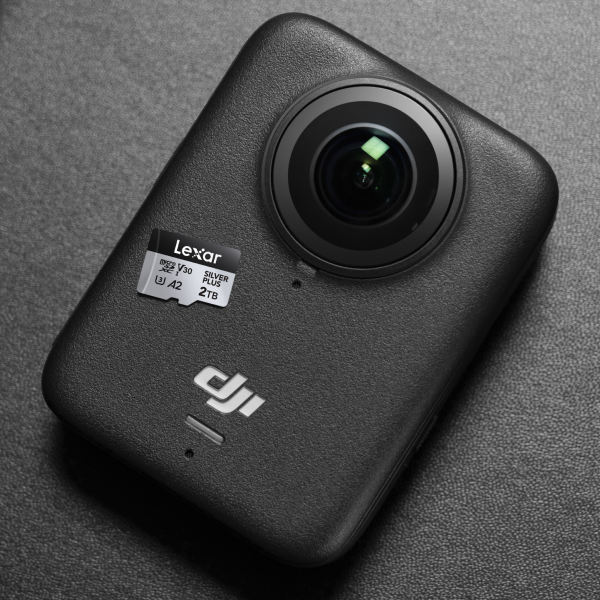
MicroSD Cards: The Standard for Compact Gear
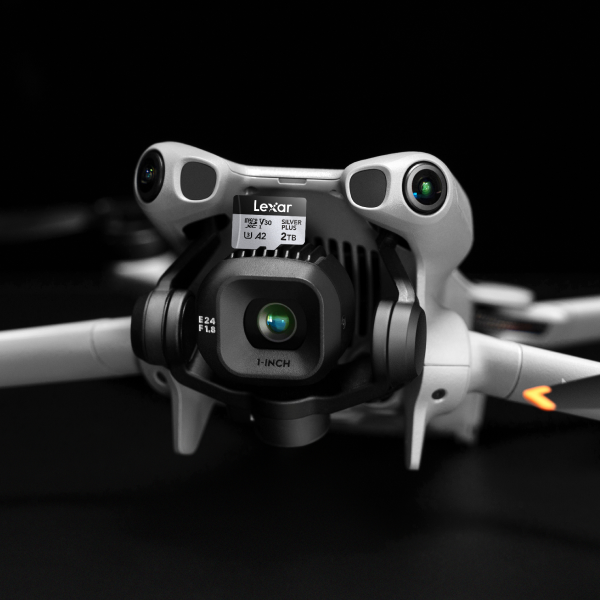
For action camera enthusiasts and compact drone pilots, the microSD card is the undisputed king. However, because they sit inside devices that generate immense heat and are often exposed to the elements, choosing the right microSD, is critical.Lexar® Professional SILVER Plus microSD Card, is critical.
- Water Resistance: If you are a surfer, diver, or wakeboarder, utilizing waterproof microSD cards for GoPro underwater footage guarantees that even if your camera housing floods, your data remains intact. Many premium cards are sealed with epoxy resin, making them virtually impervious to water damage.
- Temperature Management: Action cameras and drones are notorious for overheating when recording high-bitrate video. Understanding the maximum operating temperature for microSD cards is vital. High-end weatherproof microSD cards are typically rated to operate flawlessly in temperatures ranging from -13°F to +185°F (-25°C to +85°C).
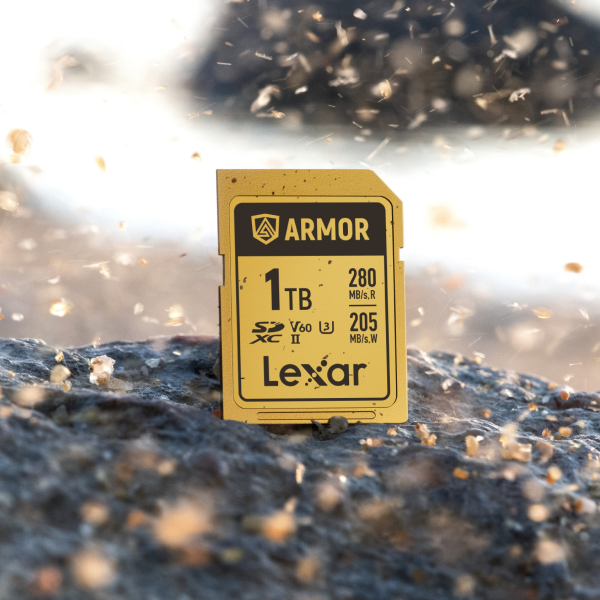
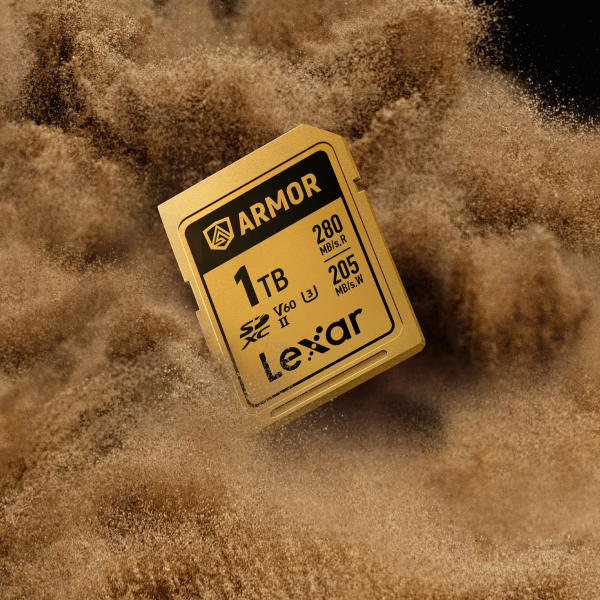
SD Cards: Versatility for Professional Rigs
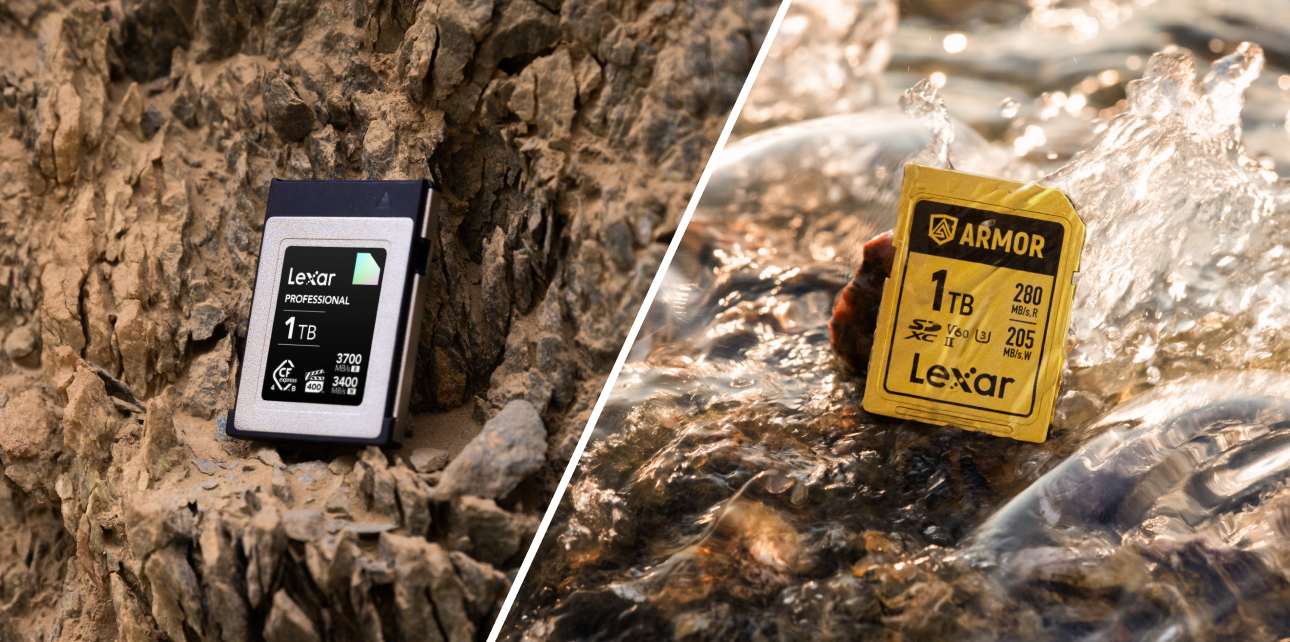
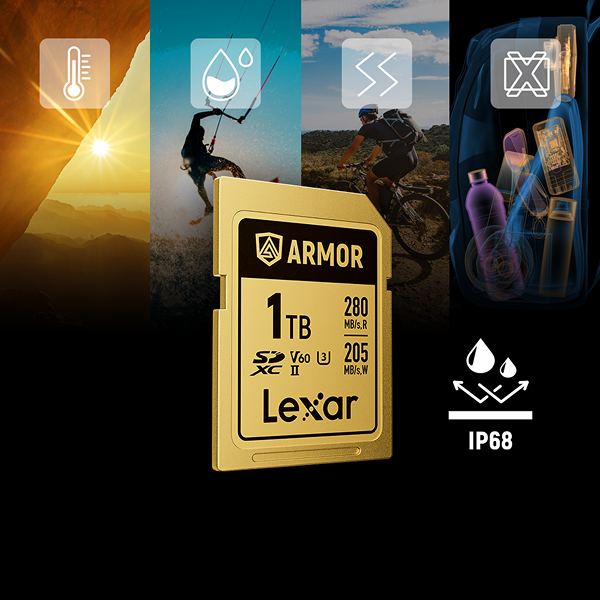
For larger, professional drones or hybrid mirrorless cameras in action housings, a full-sized SD card, like the Lexar® ARMOR GOLD SDXC UHS-II Card, will likely be your go-to media.
- Tough Builds: Look for weatherproof SD cards built with monolithic designs—meaning they are molded from a single piece of high-density material with no fragile ribs or write-protect switches.
- Temperature Considerations: Wondering how to choose SD cards for extreme temperatures? Always look for the “industrial” or “tough” label. These outdoor memory cards are rigorously stress-tested in thermal chambers to prevent data degradation during sudden temperature spikes, like moving from an air-conditioned car straight into a sweltering jungle.
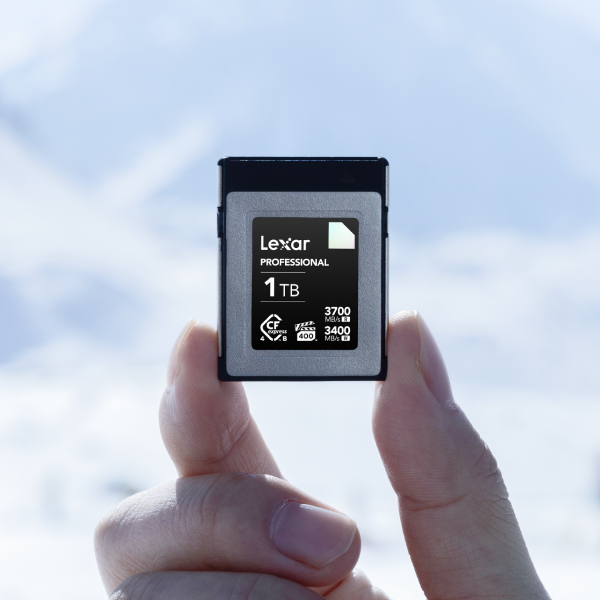
CFe Cards: Next-Generation Speed
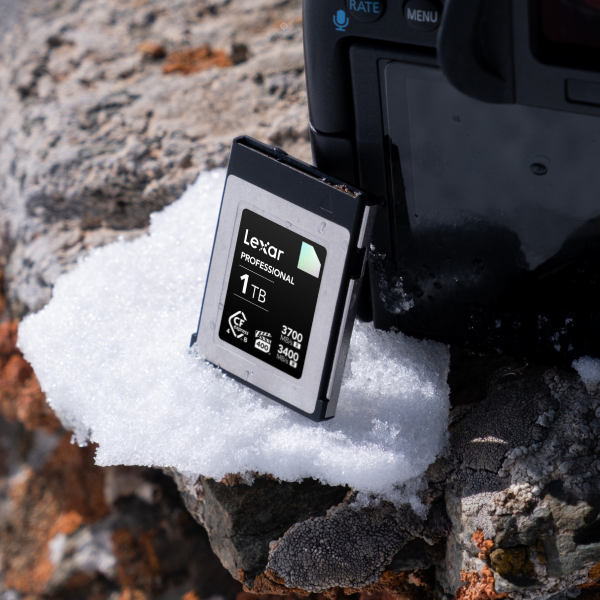
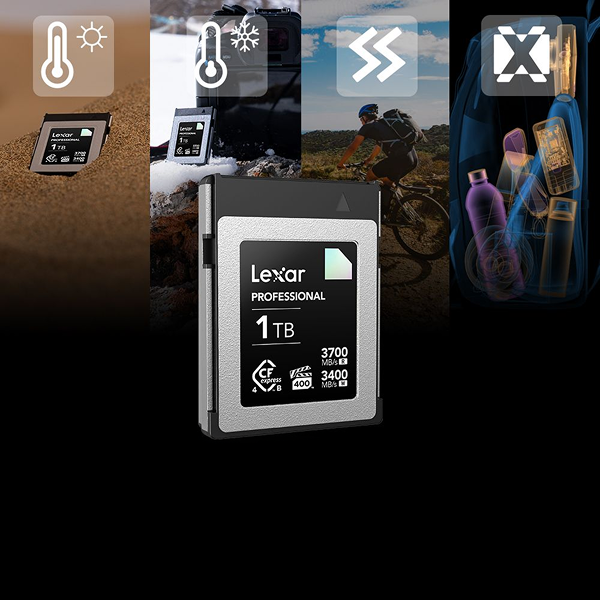
As cinema drones and premium action rigs evolve, they require storage that can swallow massive amounts of data instantly. A CFexpress (CFe) card, like a Lexar® Professional DIAMOND CFexpress™ 4.0 Type B Card, is made specifically for that workflow.
- The Speed Debate: While a top-tier V90 SD card tops out around 300MB/s, CFexpress Type B leverages PCIe technology to push write speeds well beyond 1500MB/s.
- Drone Integration: The compatibility of CFexpress cards with DJI drones (such as the Inspire 3 or Ronin 4D) has revolutionized aerial filmmaking, allowing for flawless 8K Apple ProRes RAW recording.
- Weatherproofing CFe: Because these cards are often swapped in the field, manufacturers now produce weatherproof CFe cards featuring reinforced metal enclosures that protect the delicate internal NVMe architecture from dust, moisture, and bending.
Field Backup: The Role of Weatherproof SSDs
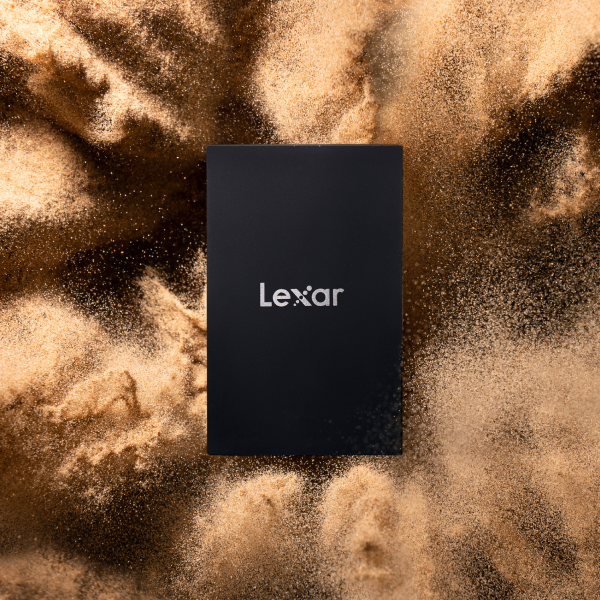
Capturing the footage is only step one; safely backing it up in the field is step two. Leaving days’ worth of 4K video sitting on a tiny, easily losable memory card is a massive risk. You need to offload that data to a rugged drive daily.
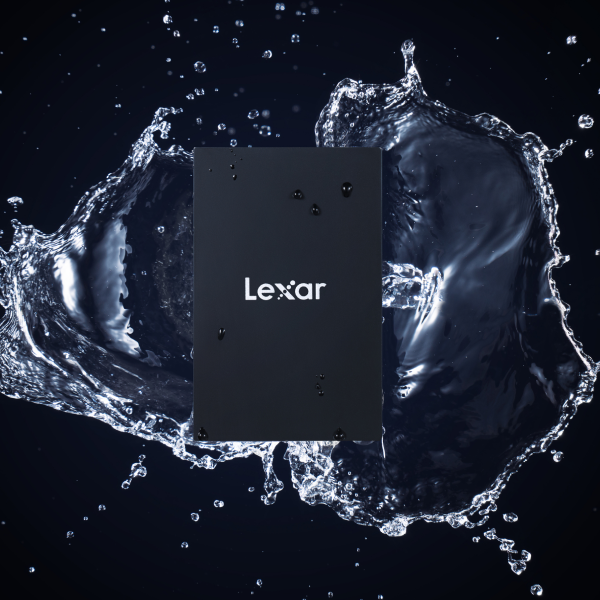
When debating a shockproof SSD vs rugged hard drive for travel, the solid-state drive (SSD) is the only logical choice for adventure filmmakers. Traditional hard disk drives (HDDs) contain spinning metal platters and delicate read/write heads. A single drop from a backpack onto a rock can instantly destroy an HDD. A weatherproof SSD, however, has no moving parts.
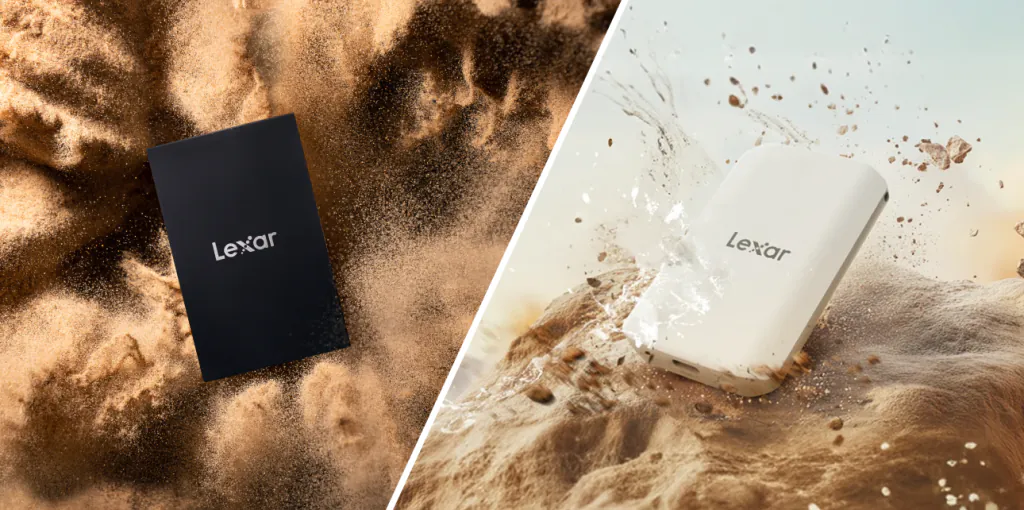
If you are looking for the best rugged external SSD for outdoor video editing, seek out drives encased in thick silicone bumpers like the Lexar ARMOR 700 Portable SSD. Utilizing IP67 rated portable storage for adventure photography means your drive is completely protected against dust ingress and can be submerged in up to 1 meter of water for 30 minutes without leaking.
Whether you are editing proxies on a laptop in a snowy tent or offloading files on a sandy beach, these drives ensure your work is protected.
Performance Matters: Speed, Altitude, and Heat
Durability means nothing if the card cannot keep up with your camera’s data rate. Environmental factors heavily influence electronic performance, often in surprising ways.
Write Speeds
For any modern creator, hitting the minimum sustained write speed for 4K action camera video is non-negotiable. When choosing a rugged memory card, be sure it comes with a minimum Video Speed Class 30 (V30) or UHS Speed Class 3 (U3) rating, which guarantees a sustained write speed of at least 30MB/s. For 5.3K or high-frame-rate slow motion, you may need V60 or V90 cards.
The Altitude Effect
An often-ignored phenomenon is the impact of high altitude on drone storage performance. While flash memory doesn’t inherently care about barometric pressure, drones rely on the airflow from their propellers to cool internal components. At high altitudes, the air is significantly thinner, which drastically reduces aerodynamic cooling efficiency. This forces the memory card to run much hotter than it would at sea level.
Thermal Throttling
Because of altitude and intense data processing, heat dissipation in high-performance drone memory cards becomes a critical engineering challenge. If a card gets too hot, it will automatically throttle its write speeds to prevent melting, resulting in dropped frames or a complete recording halt. Top-tier rugged cards mitigate this by using internal thermal compounds that efficiently pull heat away from the flash memory chips and out into the camera’s chassis.
Data Protection and Recovery in Extreme Conditions
Even with the best gear, the elements can sometimes gain the upper hand. Moisture, humidity, and physical impacts are the triad of tech destruction. Here is how to manage them.
Battling Humidity
If you are shooting in tropical climates or rainforests, atmospheric moisture can cause microscopic corrosion on your card’s gold contact pins. Preventing SD card corruption in humid environments requires meticulous gear management.
A few tips include:
- Always store your cards in airtight, crush-resistant storage solutions for extreme sports (like heavy-duty SD card cases).
- Keep fresh silica gel packets inside these cases to actively absorb ambient moisture, preventing condensation when moving between cold and warm environments.
Surviving the Unthinkable
Let’s say the worst happens: your FPV drone clips a branch and plunges into a river, or your action camera’s waterproof door pops open while snorkeling. Is your footage gone forever? Not necessarily.
Recovering data from a water-damaged memory card is frequently possible if you take the correct steps. Because high-end microSD and SD cards are typically monolithic (encapsulated in resin), the internal memory chips are often safe even if the exterior is wet.
- Do NOT plug it in: The number one reason data is lost is a short circuit caused by inserting a wet card into a card reader.
- Rinse (if saltwater): If the card was dropped in the ocean, gently rinse it with distilled water or isopropyl alcohol to remove corrosive salt deposits.
- Dry completely: Leave the card in a cool, dry place for at least 48 to 72 hours. Do not use a hairdryer, as extreme localized heat can warp the plastic.
- Recover: Once bone dry, insert it into a high-quality reader. In most cases, a truly rugged card will mount, allowing you to drag your files safely to your weatherproof SSD.
Ready for the Elements
Action sports and aerial cinematography push the boundaries of what is visually possible, but they also push camera technology to its absolute breaking point. You cannot afford to let weak storage be the bottleneck in your creative workflow.
By strategically selecting weatherproof storage for your action sports cameras and drones, you build a reliable ecosystem that protects your footage from the moment you hit record to the moment you start editing. When you respect the extreme environments and use the right tools for the job, you ensure that your most epic moments are never lost to the elements.