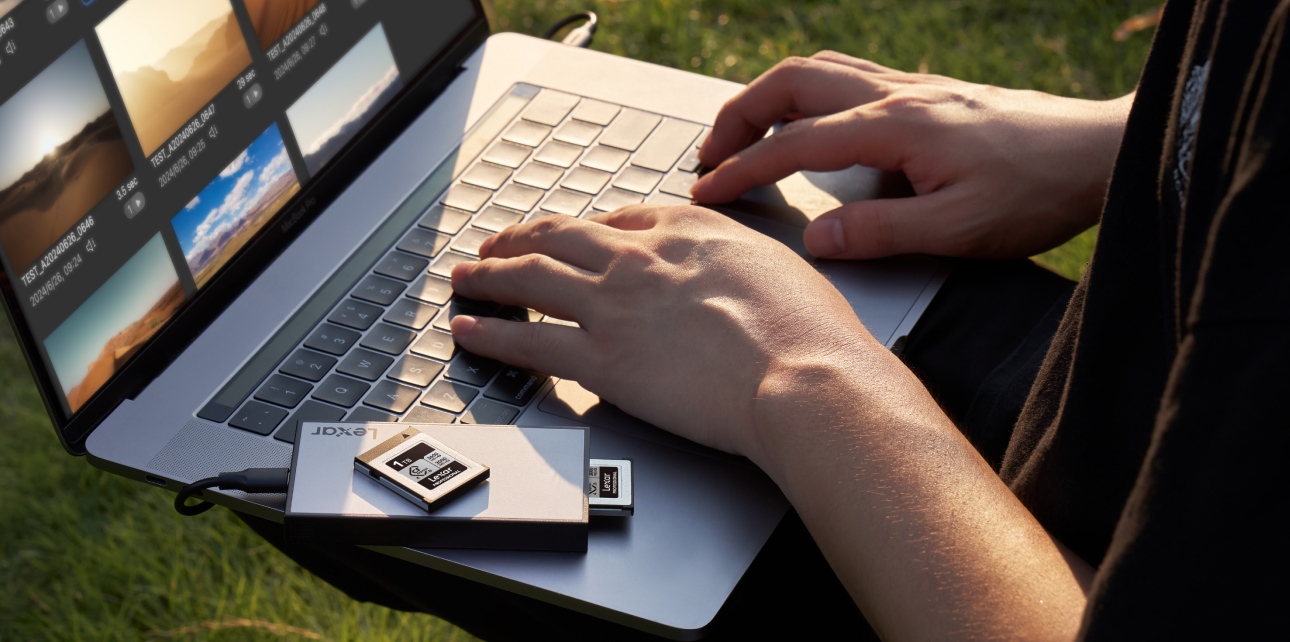



The jump to 8TB is not just more space. It changes how you structure your work.
Most working photographers and videographers operate on a drive-per-project system, which sounds clean in theory. In practice, it means carrying four or five drives to a shoot location, shuffling files across drives at 1 AM before an early call time, and eventually losing track of which version of a project lives where.
With 8TB of portable storage, the math shifts:
- Cinematographers shooting 8K RAW generates 1TB to 2TB per shooting day depending on codec and format. An 8TB drive covers a full week of principal photography without a single swap, including dailies, sound reports, and reference footage.
- Wedding and event photographers shooting dual-card RAW plus JPEG at 45MP can expect 300GB to 500GB per event. An 8TB drive can hold 16 to 26 full weddings, making it practical to maintain a rolling archive of recent work for client deliveries and retouching requests.
- Video editors working on location can load an entire project’s source media, proxy files, and export renders onto a single drive, eliminating the need to coordinate between a “source” drive and a “proxy” drive mid-session.
The workflow benefit is consolidation. The peace of mind comes with knowing everything is in one place.
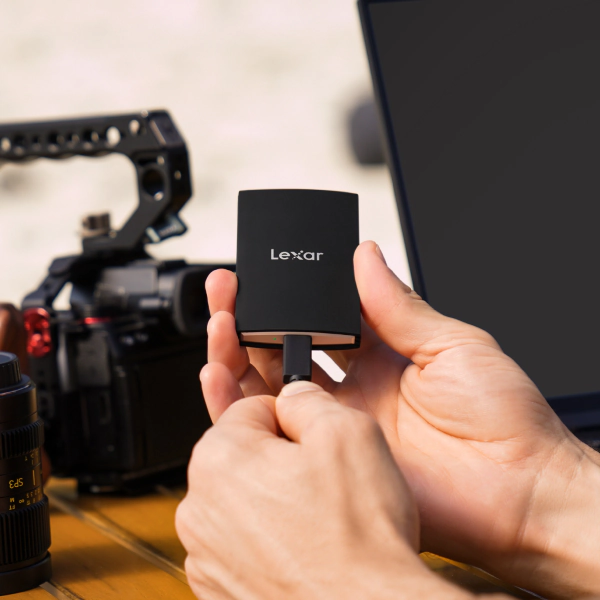
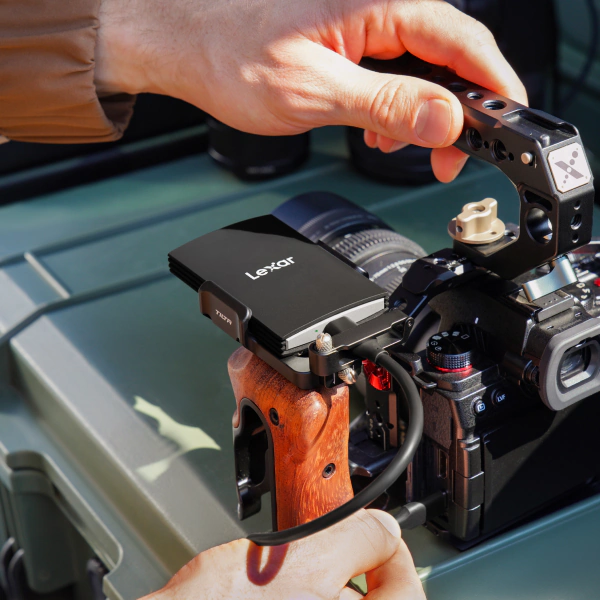
The Lexar® ARMOR 700 Portable SSD: Built for Conditions That Break Other Drives
Field storage fails in two ways. Either the drive cannot keep up with write speeds during a demanding recording workflow, or it takes physical damage – a drop on concrete, a splash of rain, a dusty film set – and the data is gone.
The Lexar® ARMOR 700 Portable SSD is built to address both failure modes in a single device.
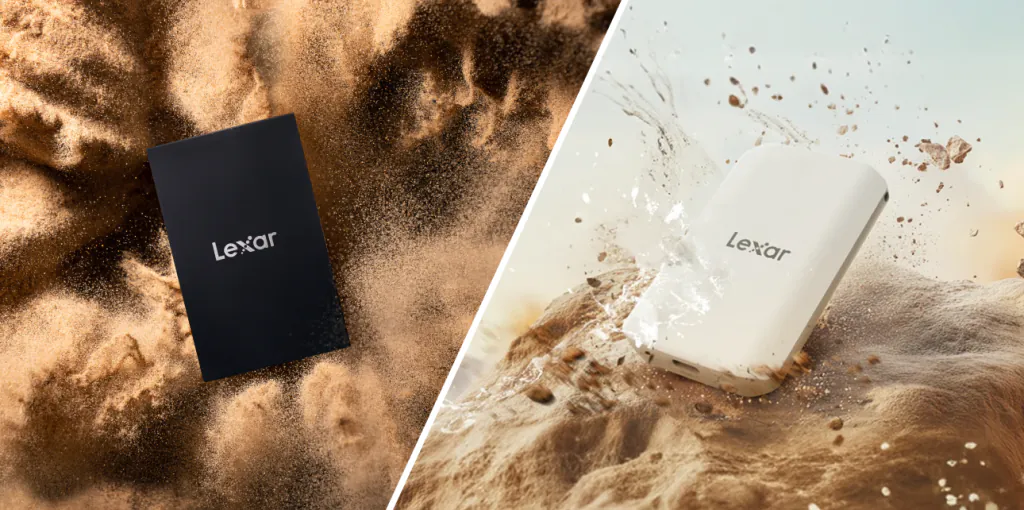
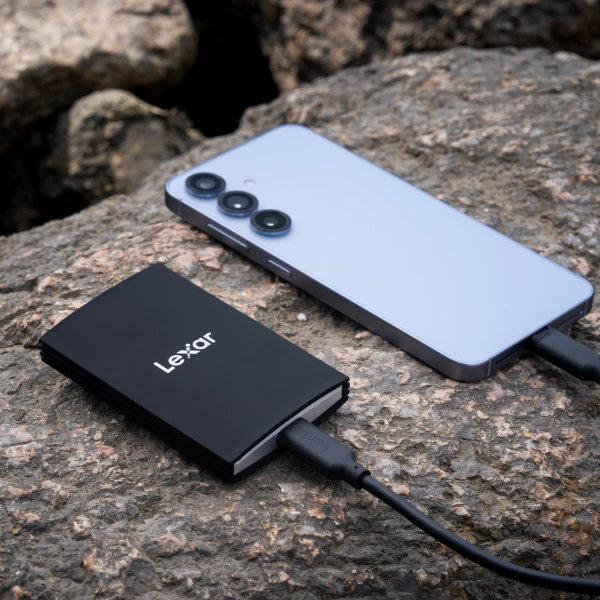
On the durability side, the Lexar ARMOR 700 Portable SSD carries an IP66 rating, which means it handles direct water jets and complete dust ingress protection. That is not splash-resistant – that is a drive you can use on a boat, in rain, on a beach, or in a sandstorm and trust that the enclosure is protecting your data. The housing adds up to 3-meter drop protection, and the construction uses a reinforced build that distinguishes it from drives with plastic shells that protect against the rare accident rather than the daily realities of field work.
On the performance side, the Lexar ARMOR 700 Portable SSD delivers sustained transfer speeds suited to large-file workflows. When you are offloading 400GB of RAW files from a CFExpress card at the end of a shooting day, sustained read and write performance is what determines whether that process takes 10 minutes or 40. Speed ratings printed on packaging reflect burst performance.
What matters for professional use is what happens during a sustained 200GB transfer, and the Lexar ARMOR 700 Portable SSD maintains consistent performance through that kind of workload.
The ARMOR 700 uses a USB 3.2 Gen 2 interface, which delivers up to 20Gbps throughput speed, which translates into real-world transfer speeds fast enough to handle:
- Full RAW photo card offloads in a fraction of the time compared to USB 3.2 Gen 1 (5Gbps) drives
- Smooth playback of 4K proxy files directly from the drive during on-location review sessions
- Running proxy-based editing workflows from the drive without buffering
The ARMOR 700 is compatible with both Mac and PC out of the box, with support for USB-C connections and USB-A via included adapter. That cross-platform compatibility matters for productions where crew members may be on different systems.
Real-World Use Cases: Who Needs 8TB Portable Storage
Cinematographers Archiving 8K Dailies
A multi-day commercial or documentary production running 8K RAW creates massive daily data output. With drives in the 1TB to 2TB range, a week-long shoot might require three or four separate drives just for picture – plus additional drives for audio, reference footage, and editor notes.
An 8TB Lexar ARMOR 700 Portable SSD can hold the full picture data from a five to seven day shoot. That means one drive goes from set to post, the chain of custody is simpler, and the risk of a mismatched drive showing up at the edit suite drops significantly. The IP66 and drop protection specs matter here too: Production sets are environments where drives get bumped, knocked off tables, and occasionally exposed to weather.
Photographers Consolidating Shoot Libraries
A photographer shooting 10 to 15 weddings or major events per year, plus commercial work, plus personal projects, generates 4TB to 8TB of annual RAW data. Consolidating onto a single high-capacity portable drive means the archive travels with you to client deliveries, second-shooter handoffs, and retouching sessions – without requiring a full drive kit every time you leave the studio.
Editors Running Proxy Workflows on Location
Location-based editing depends entirely on the speed and capacity of the drive in your bag. An 8TB portable SSD with consistent sustained read speeds means you can load a full project’s worth of proxy files, cut from the drive directly, and export deliverables without coordination overhead. The Lexar ARMOR 700 Portable SSD thermal design matters here too. Extended editing sessions generate heat, and a drive that throttles under sustained load will degrade both performance and your deadline.
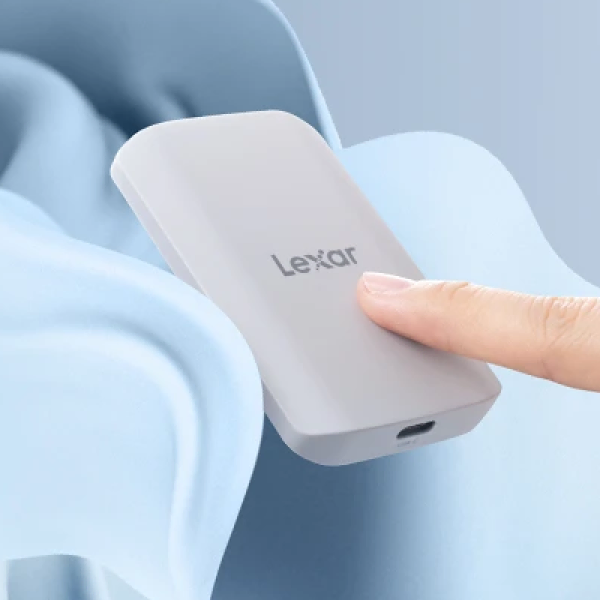
The Lexar ES5 Magnetic Portable SSD: Capacity Without the Rugged Bulk
The Lexar ARMOR 700 Portable is built for conditions that demand protection. Not every workflow needs that level of construction.
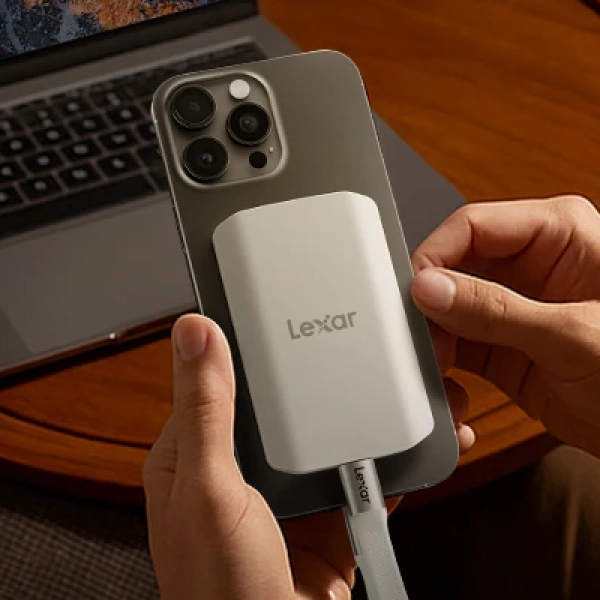
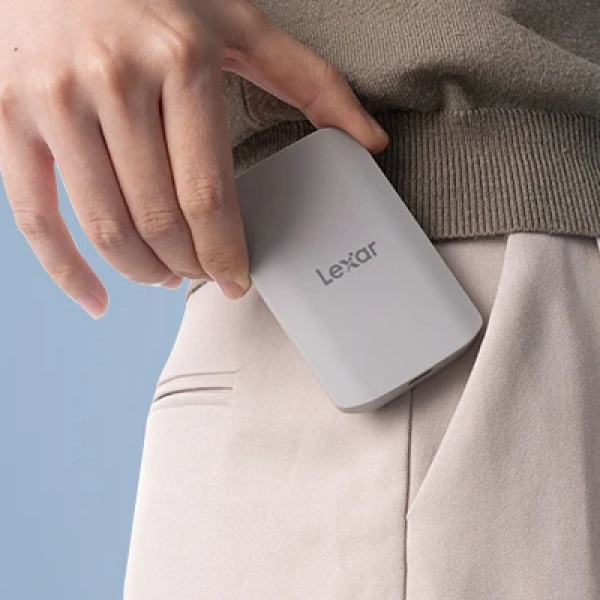
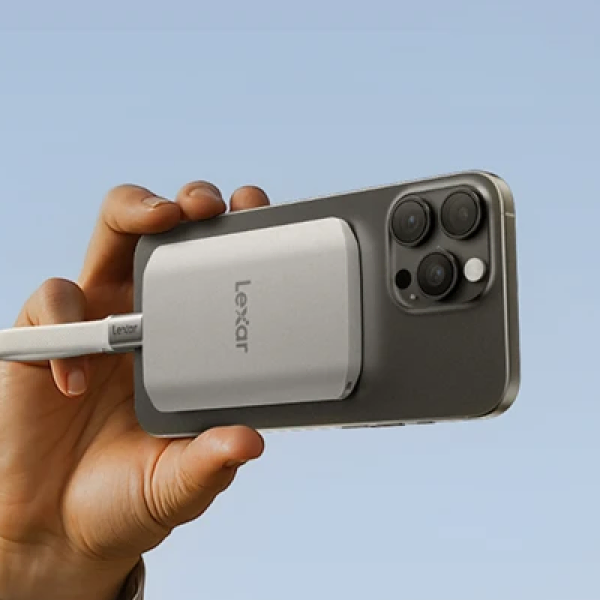
The Lexar® ES5 Magnetic Portable SSD approaches high-capacity portable storage from a different angle. Its magnetic mounting system allows the drive to attach directly to a laptop or creative workstation.
For photographers and editors who work primarily from a fixed or semi-fixed location, the Lexar ES5 Magnetic Portable SSD delivers the capacity of a traditional portable SSD with the ergonomics of an integrated workflow tool. The magnetic connection keeps the drive positioned cleanly while allowing it to release without resistance when you need to take it with you.
Although the Lexar ES5 Magnetic Portable SSD is limited to 2TB, it offers a convenient, portable package, and it’s built on the same performance foundation as the rest of Lexar’s portable SSD lineup. Better yet, the Lexar ES5 Magnetic Portable SSD is tested at Lexar Quality Labs under real conditions. That Lexar testing infrastructure is what separates a speed rating on the box from a speed rating you can count on at 11 PM before a client delivery deadline.
How to Choose: ARMOR 700 vs. ES5 by Use Case
Both drives offer high-capacity portable storage. The decision comes down to where and how you work.
Choose the Lexar ARMOR 700 Portable SSD when:
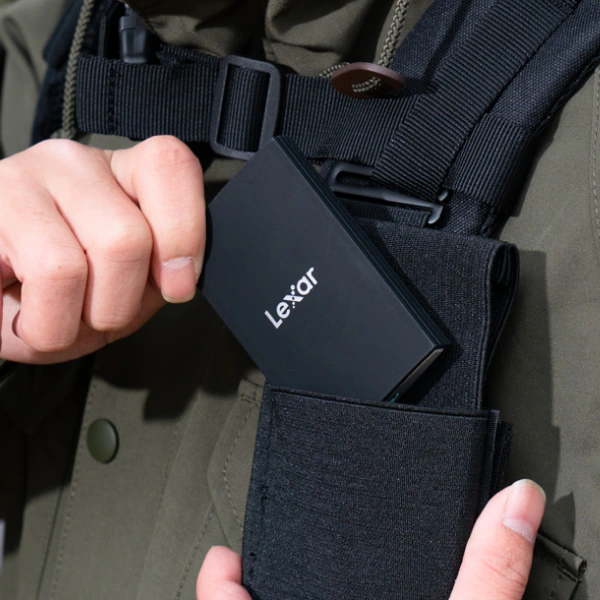
- Your work regularly takes you into demanding field environments – outdoor shoots, event venues, production sets, travel
- The drive will be in a bag or in someone's hand on a daily basis
- You need confidence that a drop, a spill, or a dusty environment will not end your archive
- You are archiving irreplaceable footage or images where physical drive protection is non-negotiable
Choose the Lexar ES5 Magnetic Portable SSD when:
- Your primary workflow is desk-based, with occasional travel
- You want the drive to live on your laptop or workstation and stay there during a session
- Clean cable management matters to how you work
- The drive moves between two fixed locations rather than going into the field
For photographers and videographers who work in both environments, carrying both is not an unreasonable solution. Use the Lexar ARMOR 700 Portable SSD as your field archive and the Lexar ES5 Magnetic Portable SSD as your studio working drive, with a sync workflow to keep them consistent.
Speed vs. Capacity: What Specs Actually Matter for Large-File Workflows
Buying a high-capacity portable SSD based on the headline speed number on the box is one of the most common mistakes in professional storage purchasing. Here is what the numbers mean in practice.
Sustained Read and Write Speed
Sequential speeds tell you how fast the drive moves data in ideal conditions. Sustained speeds tell you how fast the drive performs during a long, continuous transfer. A drive that reads at 1000MB/s in a benchmark but throttles to 400MB/s after 30 seconds of sustained transfer will significantly slow down large-file workflows.
Interface: USB 3.2 Gen 2×2 vs. Thunderbolt
USB 3.2 Gen 2 delivers up to 20Gbps of bandwidth, which translates to real-world sustained transfer rates of 1500MB/s to 2000MB/s for high-performing drives. That is sufficient for 4K proxy editing, RAW photo offloads, and 8K daily archiving. The practical advantage of USB 3.2 Gen 2 is universal compatibility across Mac and PC laptops. Thunderbolt offers higher bandwidth but is not standard across every system a client, DIT, or second editor might hand your drive to.
Thermal Management
Portable SSDs generate heat during sustained transfers. A drive without adequate thermal management will throttle its write speed to protect the NAND during extended sessions. On a field shoot where you are offloading cards continuously for two hours, thermal throttling turns a fast drive into a frustratingly slow one.
Metal housings dissipate heat passively and more efficiently than plastic enclosures, which is one reason the ARMOR 700’s Unique Thermal Control Design correlates with better sustained performance in real-world use.
Your storage should keep up with your work. At 8TB, it finally can.
For the full portable SSD lineup by capacity and form factor, visit the Lexar portable SSDs product page.
Frequently Asked Questions
Is an 8TB portable SSD worth it for creative professionals?
For photographers, videographers, and editors who regularly work with large file volumes, an 8TB portable SSD eliminates the drive-juggling problem that slows down professional workflows. If you are currently managing three or more external drives and spending time figuring out where files live before a job, consolidating to an 8TB portable drive pays for itself in time saved and mistakes avoided.
If your current 1TB or 2TB drive is half full, the capacity upgrade is not yet necessary.
What is the best portable SSD for video editing?
The best portable SSD for video editing depends on where you edit. For location-based editing and field work, the Lexar ARMOR 700 offers the combination of sustained transfer speeds, high capacity, and physical durability that professional production environments demand.
For desk-based editing with occasional portability, the Lexar ES5 Magnetic Portable SSD integrates cleanly into a laptop-centered workflow. Both are tested through Lexar Quality Labs with real devices under real conditions.
Does the Lexar ARMOR 700 work with both Mac and PC?
Yes. The ARMOR 700 is compatible with both Mac and PC via USB-C. An included USB-A adapter extends compatibility to older systems and workstations that use USB-A ports. Check the product page for current formatting and reformatting instructions if you need a specific file system format for cross-platform use.
What does IP66 protection mean for field use?
IP66 means the ARMOR 700 is dust-tight and protected against powerful water jets from any direction. In practice, the drive handles rain exposure, splashes, dusty film sets, sandy outdoor environments, and the general conditions of field work. IP66 does not mean the drive can be submerged – but for the conditions most photographers and videographers encounter on location, it covers everything you are likely to face.
What is the difference between the ARMOR 700 and the ES5 for photographers?
The Lexar ARMOR 700 Portable SSD is built for photographers who work in the field – weddings, events, sports, nature, documentary – where the drive will be in a bag, handed between team members, or used in outdoor environments.
The Lexar ES5 Magnetic Portable SSD is built for photographers who do most of their editing and archiving from a studio or fixed location, where the magnetic mounting system keeps the drive positioned cleanly on the laptop. Both offer high capacity and Lexar Quality Labs-tested performance.
The Drive Your Archive Has Been Waiting For
Storage problems are invisible until they become emergencies. A corrupted drive mid-production. A frantic search for the right version of a file before a client call. Three drives in your bag when the job requires four.
Moving to an 8TB portable SSD is about having the right architecture for how you actually work. One drive for a full project. One drive that survives the conditions you work in. One less thing to worry about when the shot matters and the deadline is real.
The Lexar ARMOR 700 Portable SSD at 8TB is built for workflows where durability and capacity must coexist. The Lexar ES5 Magnetic Portable SSD is built for workflows where elegance and capacity matter more. Both are tested at Lexar Quality Labs, with real devices, under real conditions, before they ever reach the field.