


A failed card doesn’t cost what you paid for it. It costs what was on it.
Recovery software runs $30 to several hundred dollars with no guarantee. A reshoot costs your time, your subject’s time, location fees, and equipment hours. The client relationship? That one doesn’t have a price tag. Any savings from a budget card disappear in the first incident.
The Truth About Storage That No One Talks About
Quality and price are related in memory cards, but not in the way most people think. The gap between a $12 card and a $50 card isn’t margin. It’s components, quality control, write cycle endurance, and error correction capability. These aren’t marketing differences. They’re manufacturing differences that determine how the card behaves under pressure, during long continuous writes, in heat, after hundreds of read/write cycles.
The question isn’t whether a card will fail, it’s whether it will fail gracefully with warning signs, or suddenly during a wedding ceremony with no recovery path.
Budget cards compress costs by using lower-grade NAND flash, thinner error correction logic, and less rigorous testing protocols. Many work fine for a few years under light use. The problem is that they fail unpredictably, and the conditions most likely to expose their limits are exactly the conditions creators work in: high ambient temperatures, sustained 4K video recording, long continuous shoots.
The Real Cost of Card Failure: A Full Calculation
When creators calculate whether a quality card is worth the premium, they usually compare sticker prices. The right comparison is total cost of ownership – including the cost of failure, weighted by failure probability.
Direct Costs When a Card Fails
- Data recovery software: $30-$100 per attempt, with no success guarantee on physically failed cards
- Professional data recovery services: $300-$1,500+ depending on severity – and still not guaranteed
- Replacement card: Whatever the card cost to replace
- Emergency reshoot logistics: Location rebooking, subject availability, equipment transport
Indirect Costs – The Real Damage
- Your time: A half-day reshoot isn’t just a half-day. It’s the editing time displaced, the other bookings that get squeezed, the mental overhead of managing a client situation
- Client trust: Professional relationships are built on reliability. One data loss incident changes how a client thinks about working with you again
- Referrals lost: Clients who experience problems don’t refer. The compounding cost of a single incident can extend years beyond the shoot itself
- Reputation damage: In the creator economy, word travels. A single public complaint carries more weight than months of positive reviews
What Actually Makes a Memory Card Reliable
The specifications on the front of the box, read speed, write speed, capacity, tell you about peak performance under ideal conditions. Reliability is different. It’s about what happens when conditions aren’t ideal, when the card is pushed hard for three hours straight, when it’s operating at the edge of its thermal range.
Here are the factors that actually determine long-term card reliability:
Write Cycle Endurance
Flash memory cells can be written a finite number of times before they degrade. Higher-quality cards use NAND flash with higher endurance ratings and intelligent wear-leveling algorithms that distribute writes evenly across cells rather than hammering the same locations. Budget cards often use lower-endurance NAND and less sophisticated wear management, they appear identical to higher-quality cards right up until they don’t.
Error Correction Capability
All flash storage accumulates small read errors over time. Professional-grade cards include more sophisticated Error Correction Code (ECC) implementations that catch and correct these errors before they reach your files. A card with weak ECC handles minor errors by ignoring them – which works until it doesn’t, and then a subtle, accumulating problem suddenly becomes unrecoverable data.
Quality Control and Testing Protocols
Lexar runs every product through the Lexar Quality Labs, facilities with thousands of cameras and digital devices, to verify performance, quality, compatibility, and reliability before a card reaches market. That testing process catches the edge cases: the cards that write fine at room temperature but fail at 35°C, the cards that handle standard video fine but drop frames under sustained 4K burst loads.
Budget cards skip this level of validation. They test representative samples, not individual units. The card you receive may or may not perform like the sample that passed testing.
Peak vs Sustained Performance
This distinction matters more than most creators realize. A card rated at 150MB/s write doesn’t necessarily sustain that speed for the duration of a long video file. Budget cards often hit their peak speeds briefly, during the first few seconds of a write operation, then throttle back significantly under thermal or buffer pressure. A card that writes 4K video at 150MB/s for ten seconds and then drops to 40MB/s isn’t a 150MB/s card for video work. It’s a card that will eventually fail your recording mid-clip.
The Lexar® Professional SILVER PLUS microSDXC™ UHS-I Card delivers up to 205MB/s read and 150MB/s write speeds (128GB-1TB) with a V30 rating that guarantees minimum sustained write performance. V30 isn’t a marketing designation. It’s a Video Speed Class standard that specifies a minimum 30MB/s sustained write floor, tested and certified.
When Budget Cards Are Acceptable – And When They’re a Risk
Honesty matters here. Not every shoot carries the same stakes, and card selection should match the risk profile of the job.
Decision Matrix by Shoot Type
| Shoot Type | Stakes Level | Recommended Card Tier | Why |
|---|---|---|---|
| Personal projects, test shoots | Low | Budget acceptable | No client relationship, reshoots possible |
| Stock content, batch photography | Low – Medium | Mid-range preferred | Volume makes loss meaningful but not catastrophic |
| Commercial photography, product work | Medium – High | Professional grade | Client deliverables, coordinated shoots, reshoot costs high |
| Event coverage (weddings, concerts) | Critical | Professional grade only | No reshoot possible, irreplaceable moments |
| Broadcast, documentary, news | Critical | Professional grade only | Tight deadlines, publication commitments, high indirect costs |
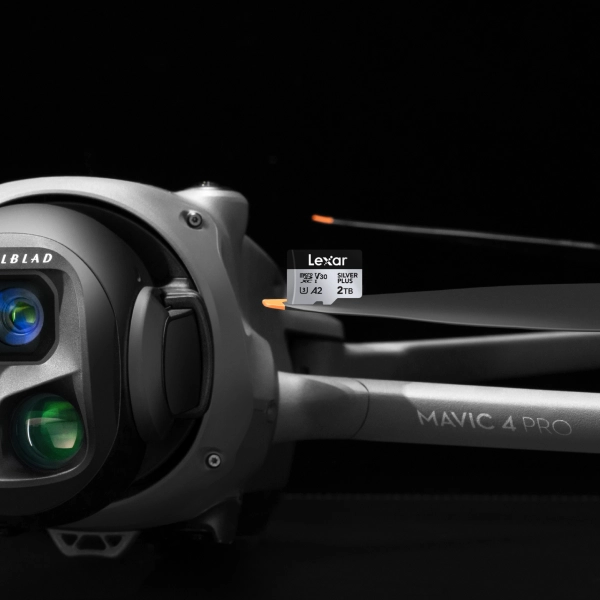
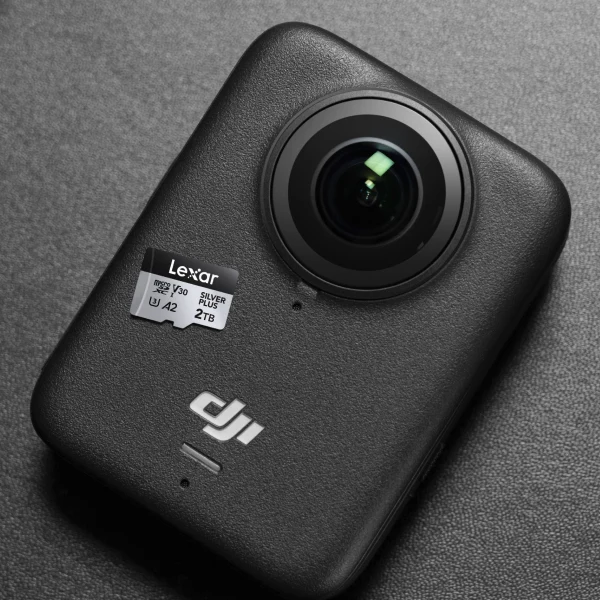
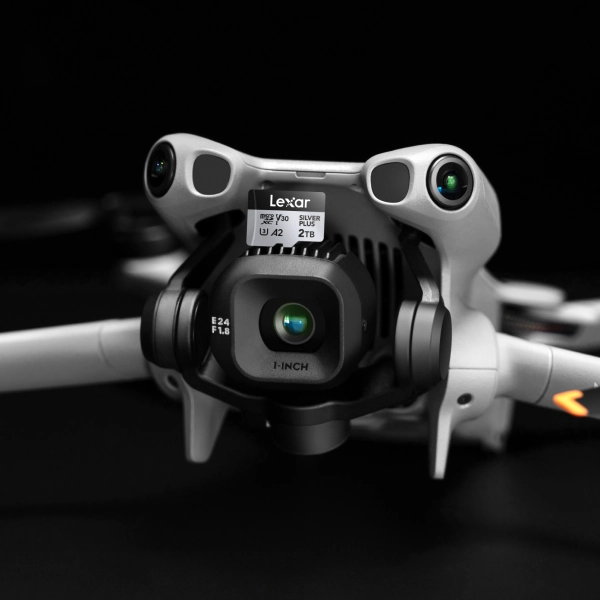
| Drone and action footage | High | Professional grade | Physical risk to recreate, sustained write demands of 4K/8K |
The pattern is clear: the harder a moment is to recreate, the more a card failure costs. Budget cards are a calculated risk that makes sense when the stakes support it.

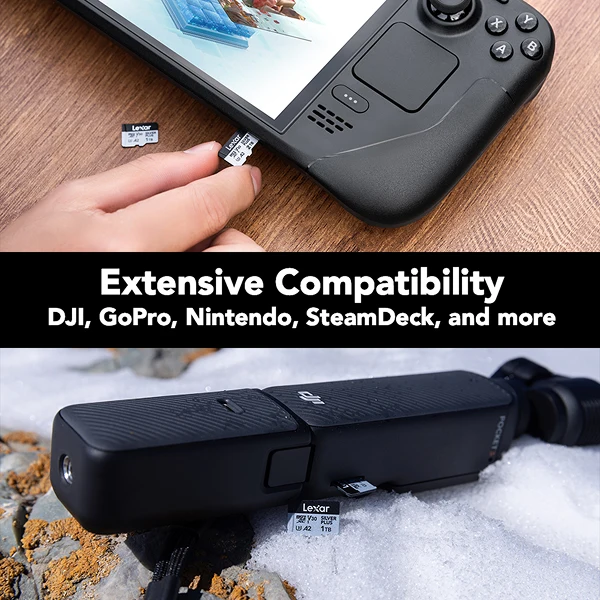
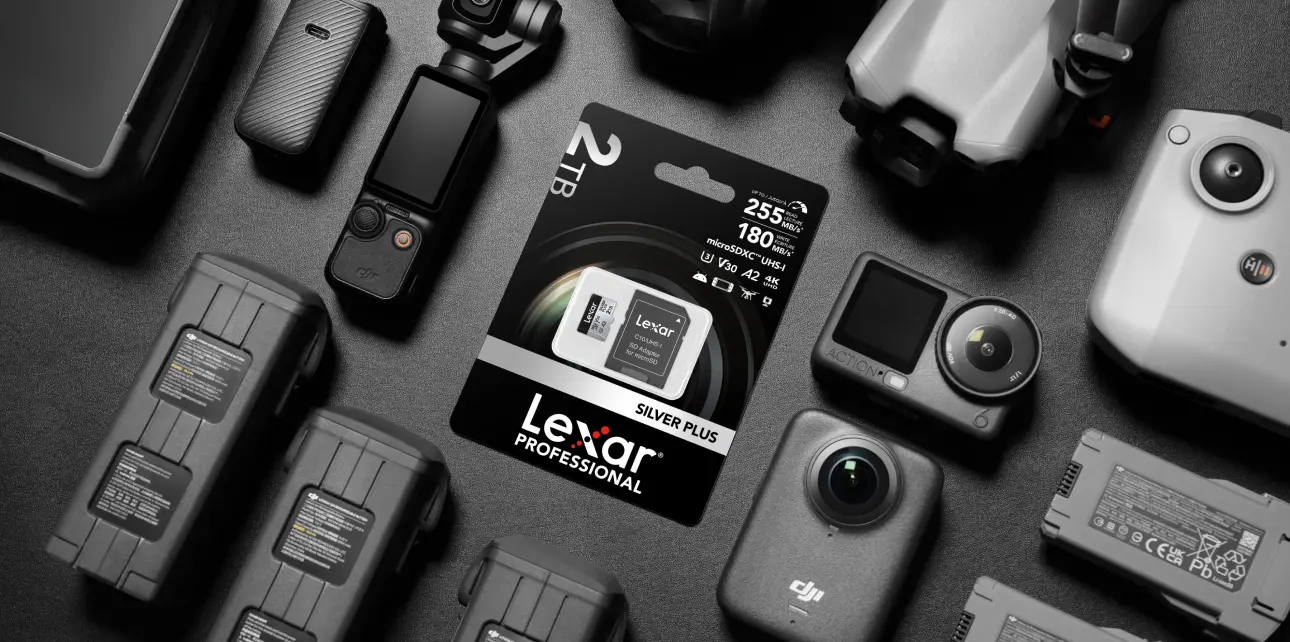
The Lexar® Professional SILVER PLUS microSDXC™ UHS-I Card: Reliability at the Right Price Point
Choosing a professional-grade card doesn’t mean choosing the most expensive option on the shelf. The Lexar® Professional SILVER PLUS microSDXC™ UHS-I Card is built for creators who need verified reliability without the enterprise price point.
- Performance (128GB-1TB): Up to 205MB/s read, 150MB/s write
- Speed ratings: V30, A2, UHS-I
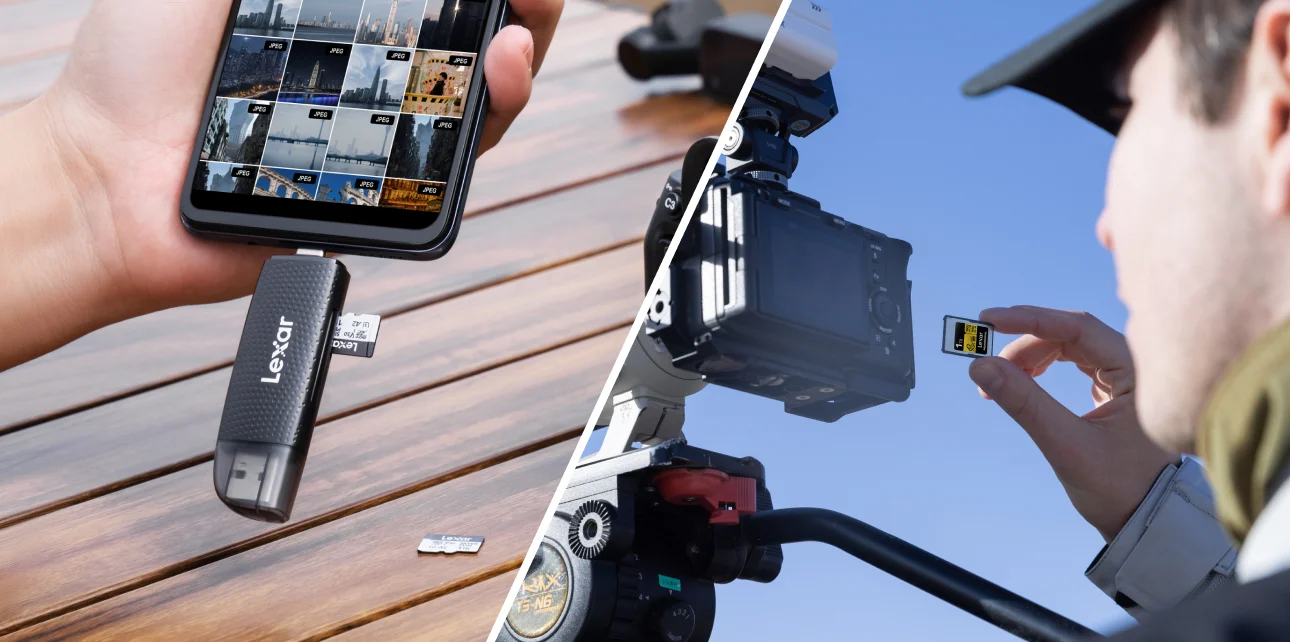
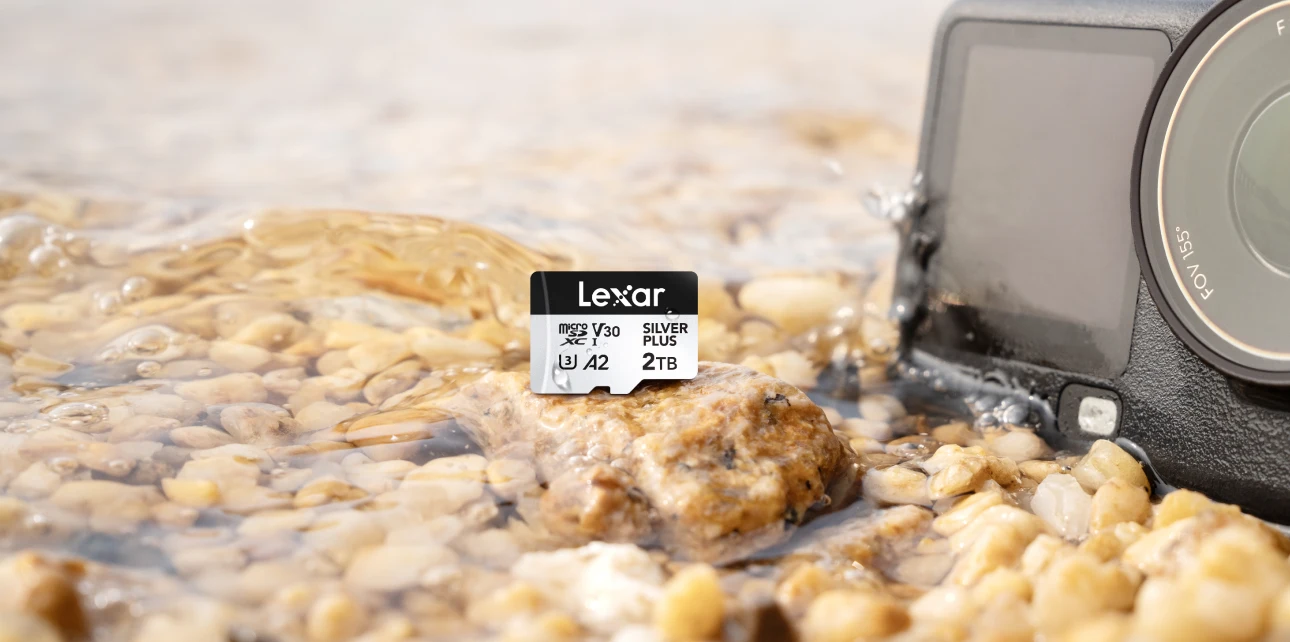
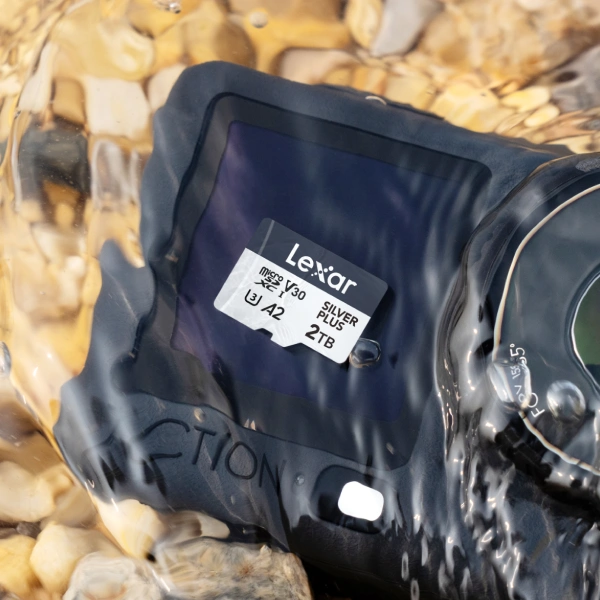
- Durability: IPX7 waterproof (1m/30 min), 1500G shockproof, 1.5m drop-proof, temperature-proof (-25°C to 85°C operating), x-ray-proof, magnetic-proof, vibration-resistant
- Capacities: 64GB | 128GB | 256GB | 512GB | 1TB
- Warranty: Limited Lifetime Warranty
- Recovery coverage: Includes Lexar Recovery Software
The recovery software inclusion is worth noting specifically. Even with a professional-grade card, accidents happen. A file gets accidentally deleted, a card is reformatted before offload, a power interruption corrupts a file mid-write. Lexar Recovery Software gives you a recovery path in these scenarios – a path that budget card buyers don’t typically have access to.
For shoots where backup during capture is part of the protocol, pairing this card with a proper creator backup workflow closes the loop on professional storage investment.
What Waiting Costs You
The creator who experienced the card failure at the start of this article hadn’t planned to use a budget card forever. The plan was to upgrade on the next purchase. The reshoot happened before that.
Card failures don’t schedule themselves around convenient timing. They happen during shoots that matter. Upgrading after a failure costs you the premium plus the incident. Upgrading before costs you only the premium.
Use budget cards for personal work and low-stakes projects where failure is inconvenient rather than consequential. For everything else, build your kit around professional storage from the start. One serious incident resolves the math quickly. Build the habit before the incident teaches it for you.
Frequently Asked Questions
What is the real difference between cheap and quality memory cards?
Beyond sticker price, the differences are in NAND flash grade, write cycle endurance, error correction sophistication, and quality control testing. Quality cards sustain their rated write speeds under real-world conditions and are tested individually or in large batches across diverse devices. Budget cards use lower-endurance components with less rigorous validation, which means they can fail more suddenly and unpredictably, particularly under sustained high-bitrate video recording.
How do I calculate whether professional memory cards are worth the investment?
Compare the premium cost of a professional card against the total cost of a single failure incident, including data recovery attempts ($30-$1,500+), reshoot time, any client compensation, and the indirect cost of damaged professional relationships. In almost every real calculation, the premium disappears quickly. For irreplaceable shoots like events or paid client work, professional storage is the smallest cost in the project budget.
When is it acceptable to use budget memory cards?
Budget cards are an acceptable calculated risk for personal projects, test shoots, and low-stakes content where reshoots are possible and no client relationship is involved. They are not appropriate for event coverage, paid client work, broadcast, or any shoot where the footage cannot be recreated. Match the card’s reliability tier to the consequence of failure, not to the price you’d prefer to pay.
What causes memory card failure?
The most common causes are write cycle exhaustion (flash cells have finite write limits), thermal stress during sustained recording, physical damage, and power interruptions during write operations. Budget cards are more vulnerable to all of these because they use lower-endurance NAND, weaker error correction, and less protective casing. Professional cards address each of these failure modes through better components and physical durability ratings.
How do I prevent memory card failure on professional shoots?
Use professional-grade cards rated V30 or higher with verified sustained write performance. Never fill a card to 100% capacity, leave at least 10% free space. Format cards in-camera before every shoot rather than on a computer. Never remove a card while the camera is writing. For critical shoots, implement a multi-card strategy so no single card holds all the footage, and back up to a secondary location before formatting any card.