




As an award-winning photographer, filmmaker, and videographer with more than 20 years’ experience, Rory Kramer has built a career filming concerts, touring with DJs, producing music videos, and starring in his own MTV show. But it didn’t happen overnight. It took him 15 years of unpaid nights and self-taught skill-building before filmmaking and videography became his full-time job.
A career in the creative arts rarely follows a straight line. Persistence and attitude can make or break any artist, and the people who make it work are usually the ones who keep showing up long before anyone paid them to.
A Camcorder, a Band, and the Spark That Started It All
Kramer’s introduction to videography happened almost by accident. At 15, he was obsessed with the band Blink-182 and their home movies that showed raw, behind-the-scenes tour footage that reminded him of the pranks and humor he shared with his own friends. Inspired, he grabbed his mom’s VHS video camera and started filming as much as he could.
A few years later, Jackass hit the airwaves. Watching Bam Margera both shoot and edit his own content pushed Kramer to teach himself editing. The result was a compilation video of his four years in high school. Kramer sold it around school, earning him his first $500 as an artist.
That single project changed everything.
“I had no idea I could make money this way. I invested that $500 into another camera so I could have two angles of everything I was doing,” Kramer explains. “I just kept doing it because I enjoyed it. It brought me a lot of happiness.”
The Road to a Full-Time Filmmaking Career
Kramer didn’t turn filmmaking into a full-time career until he was 29. Until then, he worked a day job and filmed on the side purely as a creative outlet, refining his eye without ever expecting it to become a profession.
“I wasn’t making enough money to be able to live off of being a filmmaker. I just did it because I loved it.” After he got done with his day job, Rory would film himself doing whatever he was doing. It was his creative outlet, and he truly enjoyed it. For so long, he practiced and did his best to get better.
Then the universe lined up and presented Kramer with an opportunity.
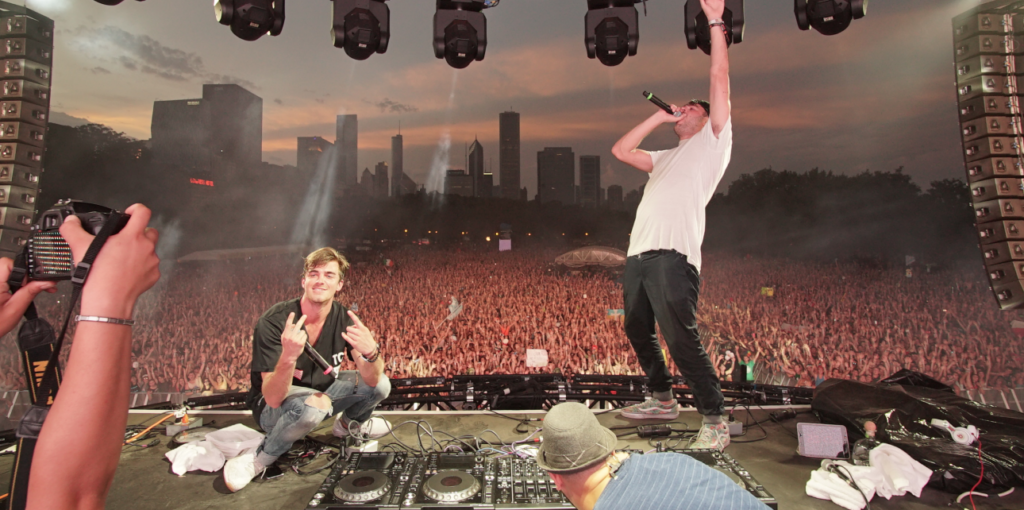
The manager of DJ 3LAU discovered Kramer’s YouTube videos and quickly offered Kramer a paid gig to tour with the artist and produce a music video.
“It took fifteen years for me to truly be able to make a living off making videos,” says Kramer. “When my time finally came, I was ready for it.”
Kramer’s advice for anyone hoping to become a professional filmmaker or professional photographer boils down to patience and persistence: keep creating because you love it, and trust that preparation eventually meets opportunity.
From Camcorders to DSLRs: Learning Photography Without a Classroom
Kramer had always shot on camcorders, but a friend convinced him to get a DLSR capable of both video and stills: The Canon 7D. At first, the idea of photography intimidated him, but his friends broke down the basics: body, lens, aperture, ISO, and shutter speed. Kramer took it from there.
Because he never studied photography formally, Kramer developed his own visual style instead of following textbook rules. For example: Most photographers double their shutter speed relative to frame rate. Kramer cranked his shutter speed as high as possible to get the crisp, frozen-action look he wanted for cliff jumping and other high-energy shots.
Skipping formal training gave him room to build a signature style rooted in his own experience of movement and action.
The Accidental Photographer
Kramer entered the touring world as a videographer, but his photography career grew almost by accident. He started experimenting with stills on his new camera, first shooting JPEGs before learning to shoot RAW for more editing flexibility. About a year into touring, an artist asked if he had photos from a show. Kramer was blunt: “I’m not a photographer. I’m a videographer.”
The artist pushed back, insisting it was the same job. Kramer disagreed: Using the same camera doesn’t mean applying the same craft. Still, he agreed to hand over photos, carefully managing expectations so no one felt misled about what they were paying for.
Over time, sharing knowledge with photographers backstage helped him grow in both crafts simultaneously. Eventually the balance flipped entirely. “Now people know me more as a photographer than a videographer,” he says, “but eight or ten years ago, people knew me as a videographer.”
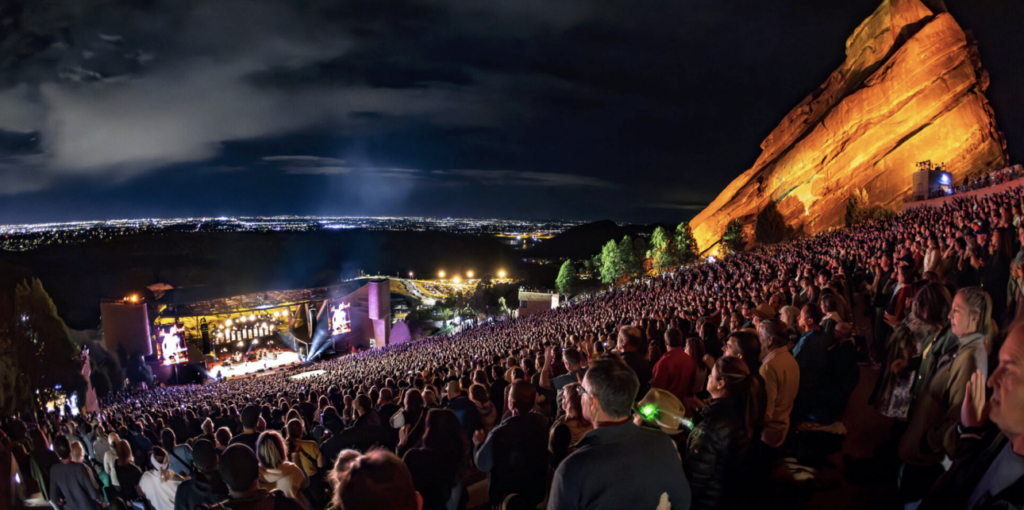
Concerts: Where Filmmaking and Photography Collide
If you ask Kramer to name his favorite type of event to shoot, the answer is immediate: concerts. It’s the arena where his career as a professional filmmaker and professional photographer truly took shape, and where he was able to leave his day job for good.
Early in his touring career, Kramer discovered the power of same-day content. By editing and posting concert recap videos within 24 hours of a show, the clips performed exceptionally well on social media, fueled by fans telling friends, “This is what I tried to invite you to last night.”
That fast-turnaround workflow became his signature.
Total Creative Freedom
Kramer’s first major touring gig was with DJ Justin Blau (AKA: 3LAU). At their very first show in Columbus, Ohio, Kramer asked if there were any restrictions on where he could shoot. Blau gave Kramer a blank canvas to do whatever he wanted. Kramer was able to go anywhere on the stage to bring more life to his footage. He even crowd-surfed next to Blau to get the right shot, and by the end of the night, Blau told him he wanted Kramer on tour for the entire summer.
That creative freedom led to a defining moment in modern concert content: the 15-second, next-day recap video.
Kramer made one recap simply because he was excited about what he’d captured. Blau loved it so much he offered to double Kramer’s day rate if he’d deliver one after every show. That format helped set a new industry standard for how concert content was expected to look and how quickly it needed to be delivered. It’s a new standard that Kramer helped pioneer through hands-on videography and photography work, not formal training.
Avicii and MTV Show
Among Kramer’s most memorable projects is a music video he made for Avicii. The opportunity came from an unrelated artist who found his YouTube channel, unaware Kramer was already touring with other DJs.
Kramer also hosted his own MTV show, Dare to Live. As a teenager, Kramer had jokingly told his father he’d have his own television show one day. Fifteen years later, that offhand comment became reality, and it was a full-circle validation of the years spent grinding without pay or recognition. The cherry on top: He even had his dad star in several episodes.
What Filmmaking Teaches About Production
Moving from solo concert shoots to producing a television show meant adjusting to a much larger team.
Kramer’s instinct for stylized, unconventional shots occasionally clashed with more traditional television production methods, but the questions usually proved productive. Kramer’s chaotic, self-taught approach to filmmaking brought fresh energy to a more disciplined process, while the show’s crew helped him build structure around his creative vision.
Advice For Aspiring Filmmakers and Photographers
There’s no single path into professional filmmaking or photography. And Rory Kramer’s journey proves it. What matters is consistency: keep shooting, keep editing, and keep believing in your own creative instincts, even when there’s no paycheck attached.
As Kramer puts it, that’s simply what creators must do in life. “You’ve got to believe in yourself and put out that energy. Anytime I was using a camera, it never felt like work. It was always just having fun.”