


Modern cinema cameras capture remarkable detail: 8K RAW recording at 60fps generates data at speeds approaching 750MB/s. That’s 45GB every single minute. Traditional CF express 2.0 cards struggle to maintain these sustained write speeds beyond initial bursts, creating workflow bottlenecks that halt production and inflate budgets.
CFexpress 4.0 technology changes this calculation entirely. When paired with USB 4.0 transfer infrastructure, the complete capture-to-edit workflow transforms from hours-long bottleneck into streamlined system matching the demands of professional 8K production.
The 8K Storage Challenge
8K RAW video at 60fps pushes storage systems to performance limits most consumer technology never encounters. Cinema and hybrid cameras like the Nikon Z9 with N-RAW recording generate sustained write speeds around 720MB/s–730MB/s, creating over 43GB per minute of footage. A standard 10-minute scene fills a 512GB card completely, leaving no buffer for additional takes or safety recordings.
The challenge extends beyond raw capacity. Sustained write speed matters more than peak burst performance for video capture. Many CFexpress 2.0 cards advertise impressive maximum speeds but throttle significantly during extended recording sessions. These slowdowns cause frame drops, corrupted footage, and production delays while crews wait for cards to clear buffers.
Post-production compounds storage pressure. Raw 8K footage from a typical 3 to 4 hour shoot day generates 8TB-12TB of data requiring transfer from cards to editing workstations. Traditional card readers maxing out at 1000MB/s turn this process into multi-hour waiting periods that delay editing, grading, and client review cycles.

CFexpress 4.0: Doubling Card Performance
CFexpress 4.0 represents a substantial leap over previous generation cards. Built on PCIe 4.0 protocol rather than PCIe 3.0, these cards deliver double the theoretical bandwidth — up to 4000MB/s compared to 2000MB/s maximum for CFexpress 2.0.
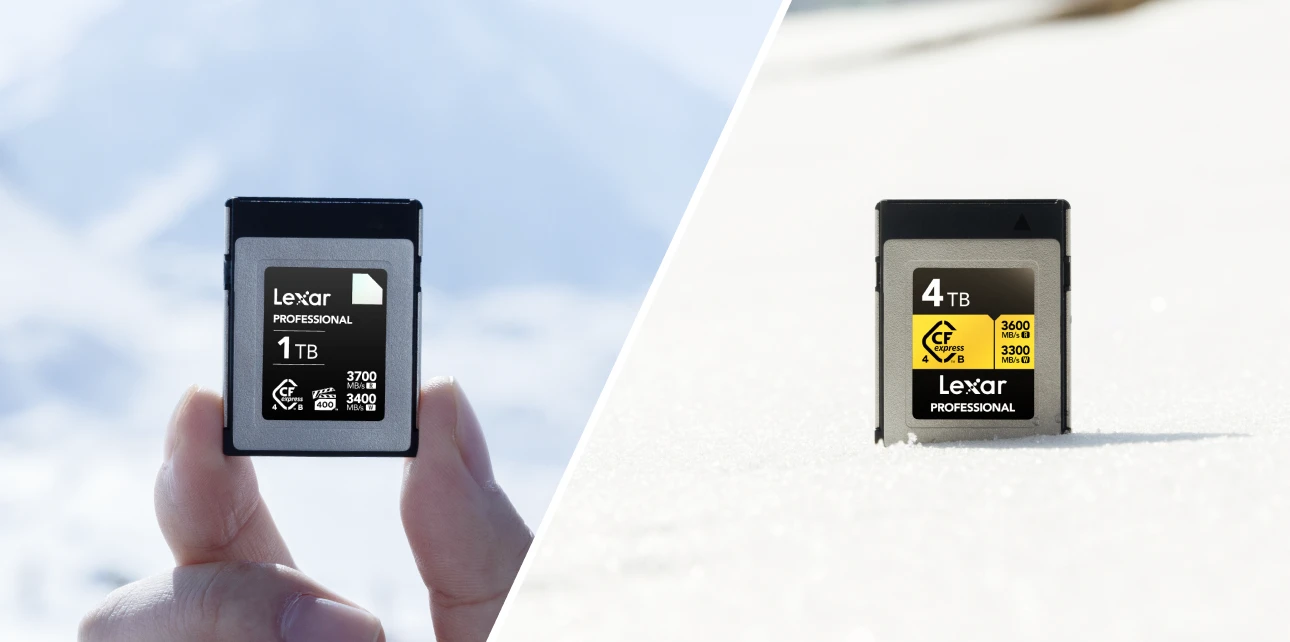
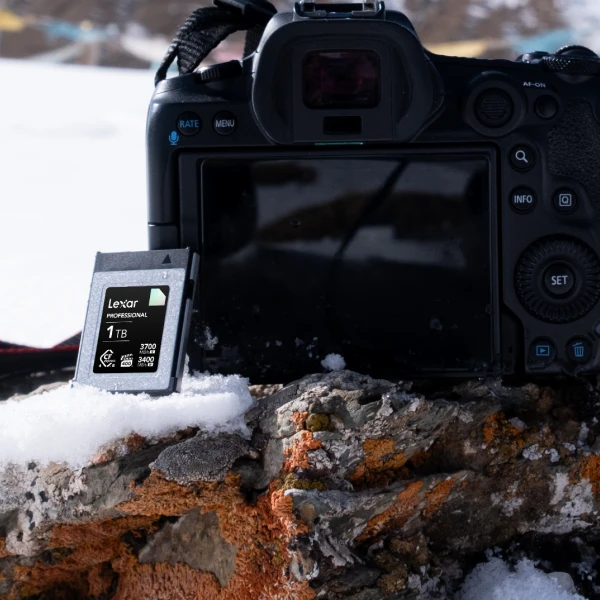
Real-world implementation shows meaningful improvements beyond theoretical specifications. The Lexar® Professional DIAMOND CFexpress™ 4.0 Type B Card delivers 3700MB/s read speeds and 3400MB/s write speeds with 3200MB/s sustained write performance. This sustained speed specification proves to be a critical component that represents the card’s ability to maintain performance during continuous 8K RAW recording without slowdowns or frame drops.
VPG400 certification guarantees minimum sustained write speeds never drop below 400MB/s even during extended recording sessions. For 8K production requiring 720MB/s-730MB/s sustained speeds, this headroom prevents the thermal throttling and performance degradation that plagued earlier card generations during intensive shooting schedules.
The Lexar® Professional GOLD CFexpress™ 4.0 Type B Card offers an alternative option with 3600MB/s read and 3300MB/s write speeds plus 3000MB/s sustained write performance. This slightly lower specification still exceeds 8K RAW requirements by comfortable margin while reducing per-card investment for productions managing dozens of media cards.
Capacity options reaching 4TB eliminate constant card swapping during critical scenes. A 1TB card accommodates roughly 23 minutes of 8K RAW 60fps footage compared to just 11 minutes for 512GB capacity. The 4TB option stores approximately 90 minutes of continuous recording, offering enough space for extended documentary shoots, multi-camera setups, or entire short film productions without media changes.

USB 4.0 Card Readers: Eliminating Transfer Bottlenecks
Fast cards solve only half the workflow equation. Moving hundreds of gigabytes from cards to editing systems creates a second major bottleneck unless transfer infrastructure matches card performance. USB 3.2 Gen 2×2 readers top out around 2000MB/s, which is adequate for CFexpress 2.0 but insufficient for realizing CFexpress 4.0’s full potential.
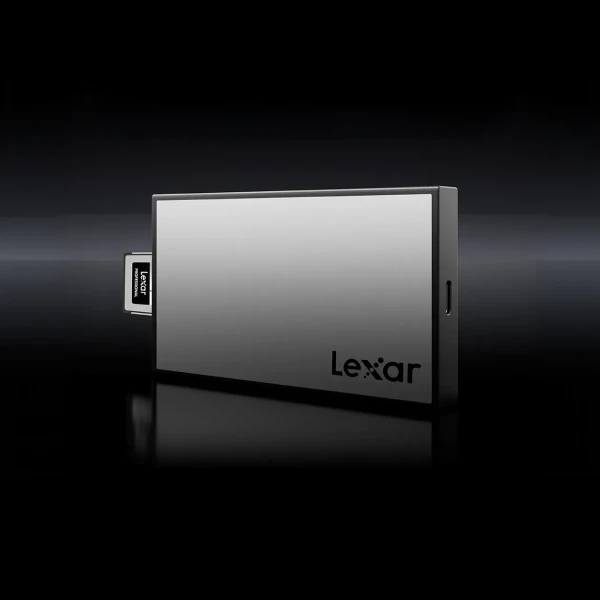
USB 4.0 technology provides 40Gbps bandwidth (5000MB/s theoretical maximum), finally matching card capabilities. The Lexar® Professional Workflow CFexpress 4.0 Type B Card Reader connects via USB 4.0 interface and achieves transfer speeds up to 3700MB/s when paired with DIAMOND series cards.
This performance jump cuts transfer times dramatically. Moving 500GB of 8K RAW footage that required 5 to 7 minutes on USB 3.2 Gen 2×2 readers drops to 2 to 3 minutes via USB 4.0. For 3TB daily shoots common in documentary and commercial production, this represents a 45 to 60 minute time savings per day.
The reader integrates into the Lexar Professional Workflow Docking Station ecosystem, a 6-bay docking station enabled for USB 4.0 speeds allows customized post-production setups with multiple card formats. Cinematographers working across different camera systems use a single docking station to accommodate CFexpress Type A, CFexpress Type B, SD UHS-II, and portable SSD connections simultaneously. This modularity eliminates desk clutter and standardizes transfer workflow regardless of camera format.
Aluminum construction provides scratch resistance during location shoots while maintaining light weight for travel. USB-C to USB-C cable enables direct connection to modern laptops and editing workstations without adapters. Backward compatibility with USB 2.0 and later standards provides flexibility when working on systems lacking USB 4.0 ports, though transfer speeds drop to match older protocol capabilities.

Optimizing Post-Production with Portable SSDs
Card-to-computer transfers represent first step in post-production data pipeline. Once footage reaches editing workstation, project files, proxies, renders, and multiple versions quickly fill local storage. Portable SSDs provide critical expansion for managing these growing file libraries without compromising access speeds.
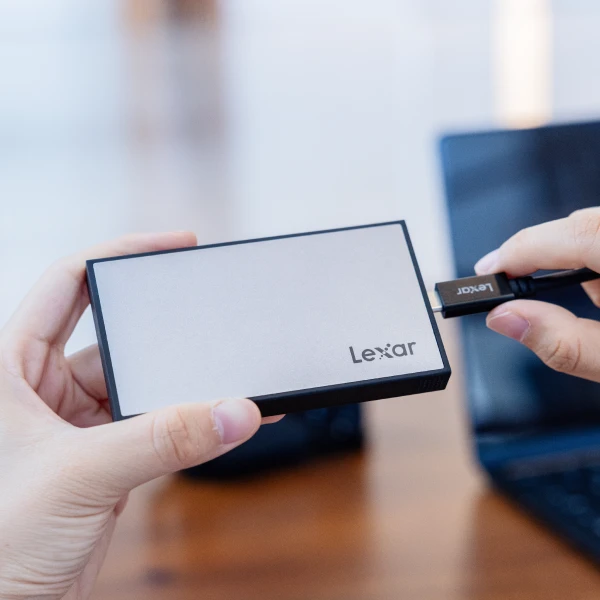
The Lexar® Professional Workflow Portable SSD delivers 2000MB/s read and write speeds via USB 3.2 Gen 2×2 interface. This performance tier accommodates direct editing of 4K timelines and proxy workflows for 8K projects. The 4TB capacity option stores a complete project including all footage, project files, and renders in single portable package.
Aluminum construction provides physical protection during location shoots and client meetings. DataShield 256-bit AES encryption secures sensitive client footage and project files. Shock and vibration resistance handles normal travel wear without risking data integrity. The compact form factor fits laptop bags without adding excessive weight to mobile editing setups.
For multi-camera productions generating massive dailies, the 4TB capacity eliminates constant file juggling across multiple smaller drives. Editors work from a single portable SSD containing an entire project rather than managing tiered storage systems requiring selective file loading. This simplification reduces editing friction and improves creative focus during intensive post-production sprints.
Cost Analysis: Premium Cards vs. Production Delays
CFexpress 4.0 cards command higher prices than previous generation media. The Lexar® Professional DIAMOND CFexpress™ 4.0 Type B Card 1TB costs approximately $500-$600 compared to $350-450 for comparable CFexpress 2.0 cards. This $150-200 premium per card raises valid budget questions for productions managing 10 to 20 cards.
Production time calculations reveal different a perspective. Professional crew rates for typical narrative shoot averages $5,000-$8,000 per hour considering director, cinematographer, camera operators, lighting, sound, and production assistants. A single 20-minute delay caused by storage bottlenecks costs $1,600-$2,600 in wasted crew time.
Card performance directly prevents these delays. CFexpress 2.0 cards requiring buffer clearing between takes, exhibiting thermal throttling during extended scenes, or causing frame drops during critical moments create production friction costing thousands per incident. CFexpress 4.0 cards eliminate these issues through superior sustained performance and thermal management.
Post-production time savings compound value proposition. Cutting 3 to 4 hours from daily transfer workflow on week-long shoot saves 21-28 hours total, which is enough for complete rough cut assembly or substantial grading progress. For productions paying editors $75-$150/hour, this represents $1,600-$4,200 in recovered productivity from faster infrastructure alone.
Long-term reliability factors into total cost calculation. Premium cards with robust thermal management, extensive wear-out resistance, and lifetime warranties reduce replacement frequency and failure-related data recovery costs. Productions investing in quality storage infrastructure avoid cascading expenses from corrupted footage, missed shots, and rescheduled shoot days.
Technical Specifications That Matter
Marketing materials emphasize maximum read and write speeds, but sustained write speed determines real-world video performance. Many cards advertise impressive burst speeds that drop significantly during continuous recording. Cinematographers should prioritize sustained write specifications matching or exceeding their camera’s data rate requirements.
Video Performance Guarantee (VPG) ratings provide a standardized performance floor. VPG400 certification guarantees a minimum 400MB/s sustained write speed under all conditions. This matters more than maximum speed claims for video-centric workflows where consistent performance prevents frame drops during critical scenes.
Write endurance measured in terabytes written (TBW) indicates card longevity. The Lexar® Professional DIAMOND CFexpress™ 4.0 Type B Card uses pSLC technology delivering up to 30,000 TBW for 1TB capacity. This extreme endurance suits professional production environments where cards undergo daily formatting and multi-terabyte recording cycles.
Capacity choices balance recording duration against per-gigabyte cost. 512GB cards provide adequate capacity for controlled narrative shoots with frequent takes. 1TB-2TB cards suit documentary work and commercial production requiring extended recording sessions. 4TB options serve multi-camera setups and productions prioritizing minimal media swapping during intensive shooting days.
Building Complete 8K Workflow Infrastructure
Professional 8K workflow requires integrated approach addressing capture, transfer, and storage components holistically. Productions should audit their complete pipeline identifying bottlenecks constraining overall throughput.
Camera selection determines baseline requirements. Cameras like Nikon Z9, Canon R5 C, and Blackmagic PYXIS 6K demand CFexpress media meeting specific sustained write speeds. Verify camera manufacturer recommendations and test cards under actual shooting conditions before critical productions.
Transfer infrastructure must also match card performance. USB 4.0 card readers paired with computers offering USB 4.0 or Thunderbolt 4 ports realize full CFexpress 4.0 potential. Systems lacking these interfaces create transfer bottlenecks negating card performance advantages.
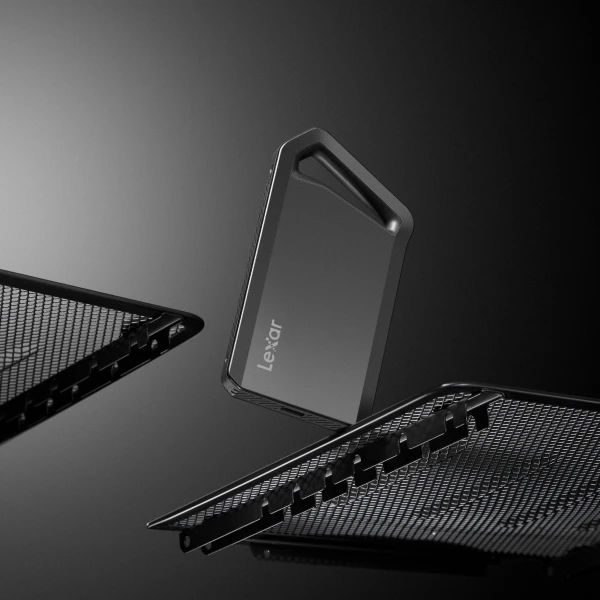
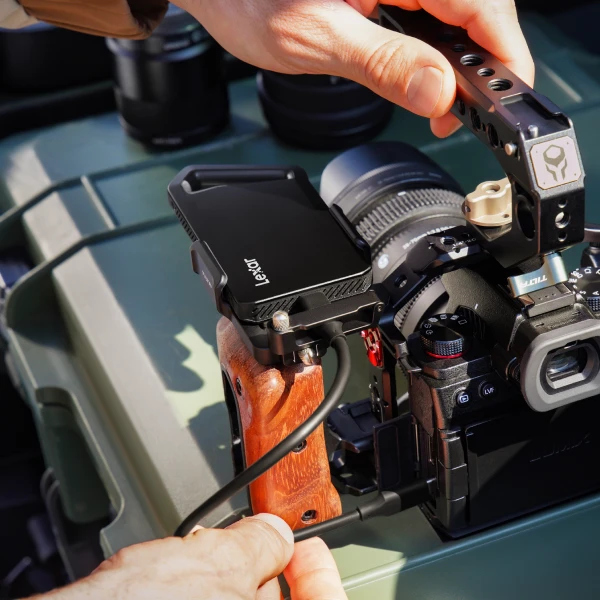
Backup systems require equal attention. Portable SSDs with capacities matching or exceeding daily shoot volume provide critical redundancy. The Lexar® Professional Workflow Portable SSD line offers up to 4TB capacity suitable for backing up entire shooting days before returning to edit facility.
Software optimization completes the workflow chain. Ensure editing applications support native 8K RAW codecs from your camera system. Configure proxy workflows if real-time playback proves challenging. Maintain organized folder structures and naming conventions preventing file management chaos as projects grow to multi-terabyte scales.
The Path Forward
8K production stopped being experimental years ago. Camera technology outpaced storage infrastructure, forcing cinematographers to compromise creative vision or budget additional time for technical limitations. CFexpress 4.0 and USB 4.0 standards finally close this performance gap.
Productions investing in premium storage infrastructure gain competitive advantages beyond technical specifications. Faster workflows enable tighter production schedules. Reliable media eliminates stress and protects against catastrophic data loss. Consistent performance frees creative teams to focus on storytelling rather than troubleshooting technical issues.
The Lexar® Professional CFexpress™ 4.0 lineup addresses these production realities through engineering focused on sustained real-world performance rather than peak benchmark numbers. Combined with USB 4.0 transfer infrastructure, these components form the foundation for professional 8K workflows matching creative ambition with technical capability.
For cinematographers, directors, and production companies committed to 8K acquisition, storage infrastructure represents critical investment determining whether ambitious productions succeed smoothly or struggle against preventable technical constraints. Premium cards and readers cost more initially but deliver value through eliminated delays, prevented failures, and accelerated post-production timelines.
The 8K short film case study demonstrates this principle clearly: four days of smooth production, zero technical issues, accelerated post-production schedule, project delivered on time and under budget. These outcomes stem directly from storage infrastructure matching camera capabilities rather than constraining them.