


Shooting at 8K demands far more than just a capable camera. Without the right memory card, high-resolution workflows collapse under the weight of dropped frames, slow write speeds, and storage bottlenecks.
Below, we break down what to look for in memory cards for 8K video, how to keep up with evolving tech demands, and why your card might be the most essential part of your entire gear setup.
Key Takeaways:
- What to Consider When Choosing a Memory Card for 8K Video: Choosing the right memory card for 8K video means evaluating sustained speed, camera compatibility, and storage demands.
- Real-World Applications: Where 8K-Ready Cards are Needed: From cinema to drone work, memory cards for 8K video are critical for professionals.
- Technical Breakdown of Memory Cards for 8K Video: 8K recording requires high sustained write speeds, thermal control, and VPG-rated performance.
- Best Practices for Shooting 8K Video with Confidence: To shoot 8K effectively, use high-capacity, high-speed cards, monitor thermal performance, and always offload files with fast, reliable hardware.
- Lexar Solutions for 8K and Beyond: Lexar offers memory cards for 8K video built to handle the resolution, speed, and pressure of professional workflows.
What to Consider When Choosing a Memory Card for 8K Video
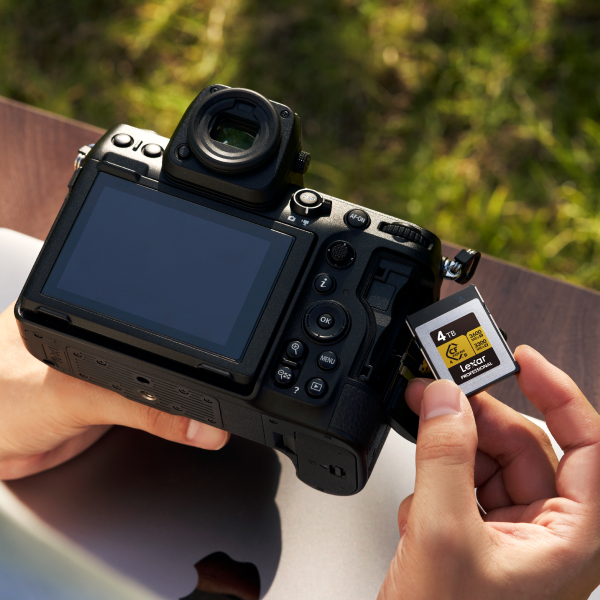
Recording in 8K pushes your camera gear and storage to its limits. Fortunately, some memory cards can handle the volume and pressure of high-resolution video capture better than others.
Choosing the right memory card for an 8K video means considering speed ratings, format compatibility, and workflow demands.
Speed Ratings and Sustained Write Performance
Because capturing 8K footage is not easy, you’ll need a card that can maintain consistently high write speeds without faltering. Cards with fast burst speeds may look good on paper, but often fail during prolonged recording.
Thus, what matters is sustained write performance, measured in MB/s, and reflected in VPG (Video Performance Guarantee) ratings. For 8K, you should look at VPG 400 or above and minimum write speeds that never dip under pressure.
Card Type and Format Compatibility
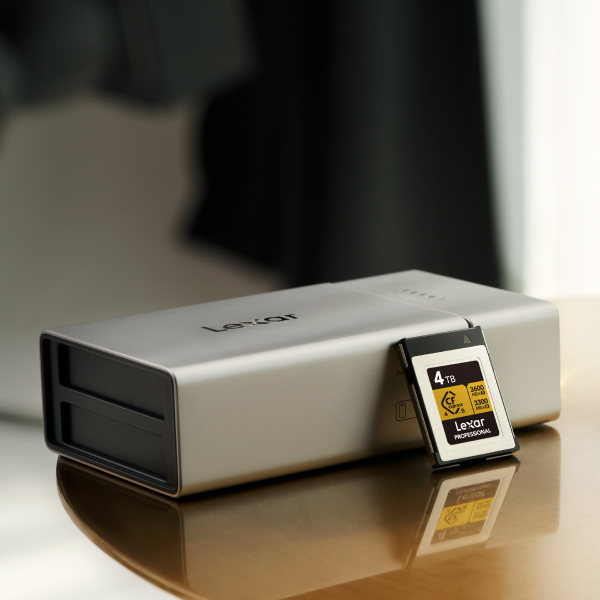
When you shoot in 8K, you significantly narrow your memory card options. CFexpress Type B is the gold standard for 8K-capable cameras, offering blazing speeds and superior thermal efficiency.
SDXC UHS-II cards may still be viable in specific setups; however, they often cap out before reaching the performance levels that 8K requires.
That’s why you should always check your camera’s supported formats before investing in a card. Using the wrong type can cause compatibility issues you don’t want to deal with during production.
Capacity and Workflow Demands
Fun fact: a single minute of high-bitrate 8K footage can take up several gigabytes (GBs). Choosing a card with enough capacity isn’t just about convenience; it’s about maintaining continuity in your workflow and reducing downtime during offloads. If you’re working on longer projects or high-frame-rate 8K content, it’s important to look for cards in the 512GB to 2TB range.
Real-World Applications: Where 8K-Ready Cards Are Needed

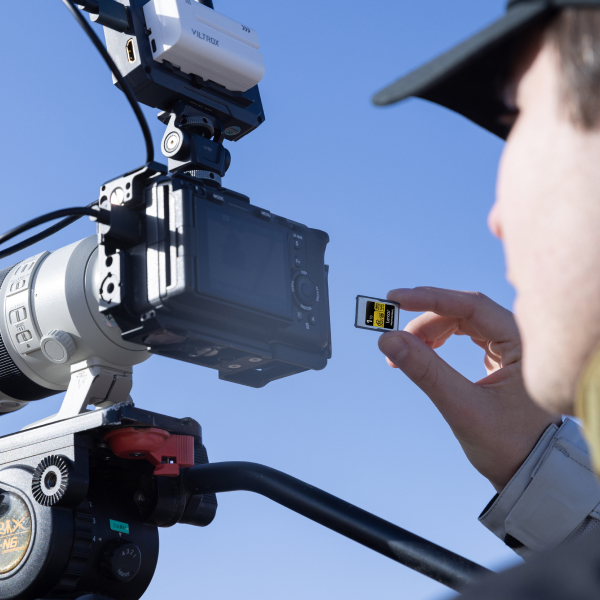
The demand for 8K is reshaping workflows across various creative industries. Here’s where memory cards for 8K video prove not only beneficial but essential:
- Cinematic Production: High-bitrate 8K RAW or ProRes footage demands memory cards with extreme write speeds and no tolerance for buffering. CFexpress cards are a must-have on set, where every dropped frame is a reshoot.
- Commercial Videography: Clients expect the sharpest possible footage, especially for product launches or branded campaigns. 8K allows for creative flexibility in post — but only if your card can keep up.
- Drone Filming and Aerial Capture: Compact, high-speed memory cards are critical for drones shooting 8K, where space is limited and interruptions are unacceptable.
- 360° Video and VR Content: These formats require dual or multi-camera rigs capturing ultra-high-res footage simultaneously, meaning your memory cards must support massive, continuous data streams.
- Future-Proofing YouTube and Streaming Content: Creators capturing in 8K today are preparing their content for the platforms and screens of tomorrow. Relying on memory cards for 8K video ensures they don’t hit technical limits mid-recording.
Technical Breakdown of Memory Cards for 8K Video
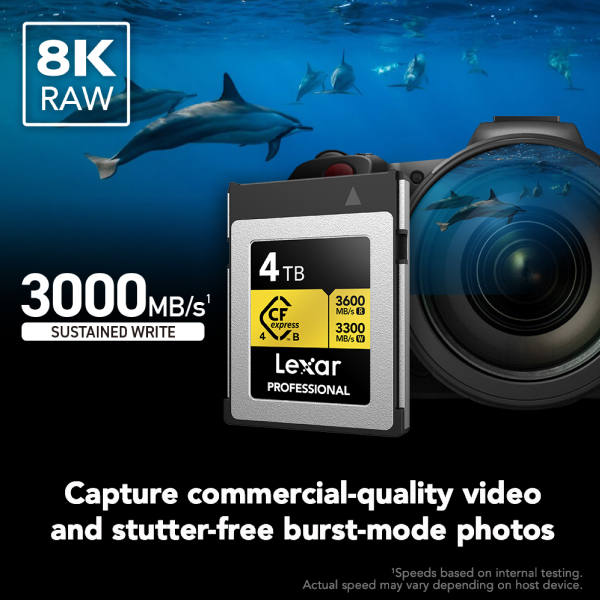
8K video requires memory cards that deliver consistently high performance under intense data loads. The bitrate can exceed 400 Mbps at this resolution, especially when shooting RAW formats.
This intensity demands sustained write speeds of at least 500MB/s and ideally over 1000MB/s for uncompressed capture. CFexpress Type B and Type A cards handle these demands using PCle Gen3 interfaces, far outperforming UHS-II SD cards.
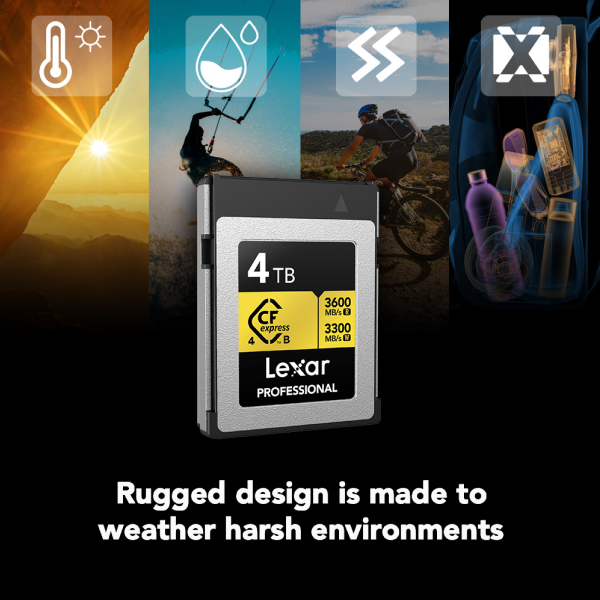
Some key specifications to evaluate when finding your ideal memory card for 8K video include minimum sustained write speed, VPG ratings, and thermal control — all of which ensure stability and reliability during recording.
Best Practices for Shooting 8K Video with Confidence
Shooting in 8K isn’t forgiving; your memory card has to perform flawlessly or your footage pays the price. These best practices will help you get the most out of your gear while avoiding common 8K recording failures:
- Use memory cards designed specifically for 8K video: Look for cards with high sustained write speeds and VPG ratings to ensure continuous recording without dropped frames.
- Format cards in-camera before every shoot: This reduces the risk of file system errors and ensures compatibility with your specific recording settings.
- Avoid using low-capacity cards: 8K footage fills storage quickly. Higher-capacity cards (512GB or more) reduce the need for mid-shoot swaps and missed moments.
- Monitor card temperature during extended recording: Some memory cards throttle performance under heat. Use cards with proper thermal control and avoid shooting in direct sunlight.
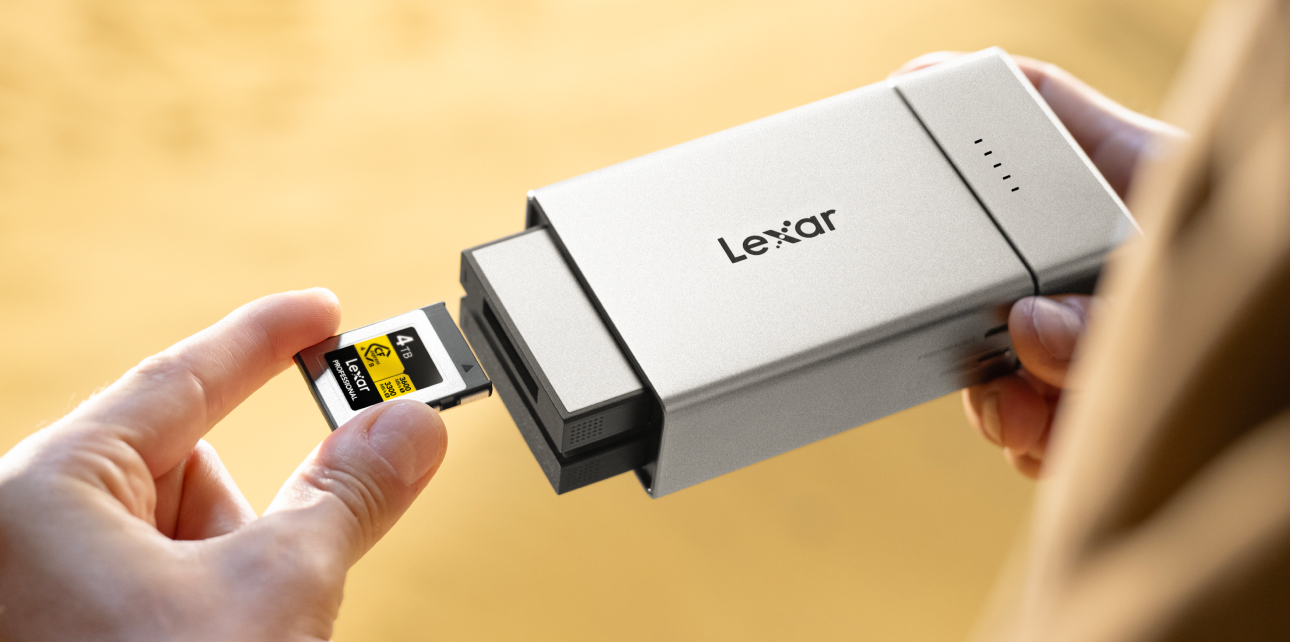
- Offload footage using high-speed readers: To maintain a fast workflow, pair your cards with CFexpress-compatible readers or USB 3.2 Gen 2+ SSDs to avoid bottlenecks during transfer.
When you follow these best practices, your memory cards for 8K video stay protected, and your footage continues to impress.
Lexar Solutions for 8K and Beyond
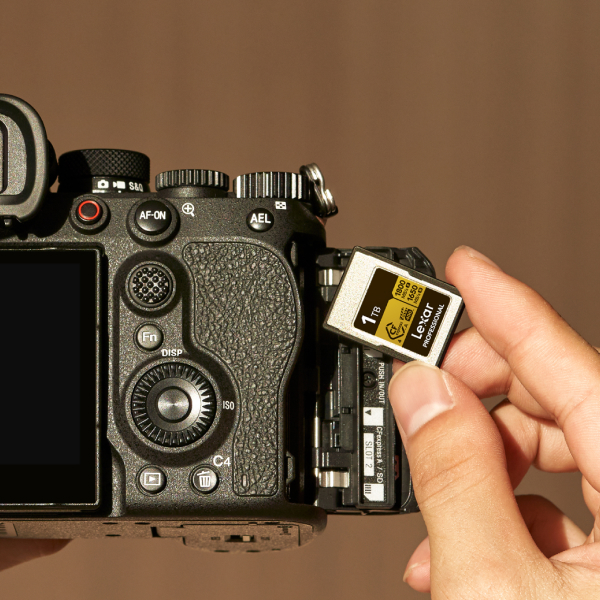

Lexar is proud to design memory cards for 8K video with the speed, reliability, and durability that high-resolution workflows demand. The Lexar® Professional GOLD CFexpress™ 4.0 Type A Card and the GOLD CFexpress™ 4.0 Type B Card deliver sustained write speeds ideal for capturing RAW and high-bitrate 8K footage.
For gear that supports UHS-II, the Lexar Professional GOLD Series SDXC Cards offer strong performance and efficiency, making them a dependable option for versatile creators working across various platforms.
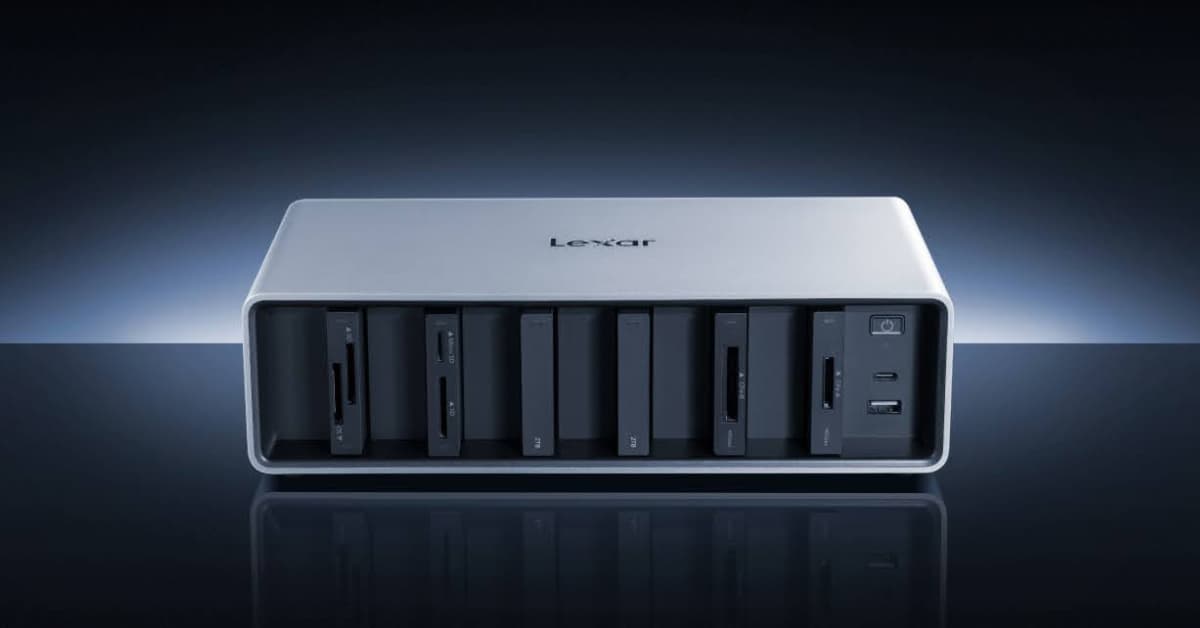
Beyond capture, Lexar supports 8K production environments with our Professional Workflow ecosystem. With high-speed card readers, hubs, and accessories built to move massive 8K files quickly and reliably, you can maintain momentum during editing, offloading, and publishing.
Future-Proof Your Footage with the Right Memory Card
As 8K video becomes the new standard in professional content creation, the pressure on your gear continues to increase. Choosing the wrong card can mean dropped frames and corrupted files, leading to frustration you simply don’t need.
That’s precisely why Lexar offers memory cards for 8K videos built for speed, stability, and long-form performance. If you’re serious about future-proofing your workflow, it’s time to upgrade your storage to match the resolution you’re shooting.
Explore Lexar’s impressive line of products and storage solutions today.